- 5
- 5
- 5


Africa's highest peak — Machame, Marangu, Lemosho and other routes with licensed guides from Arusha.
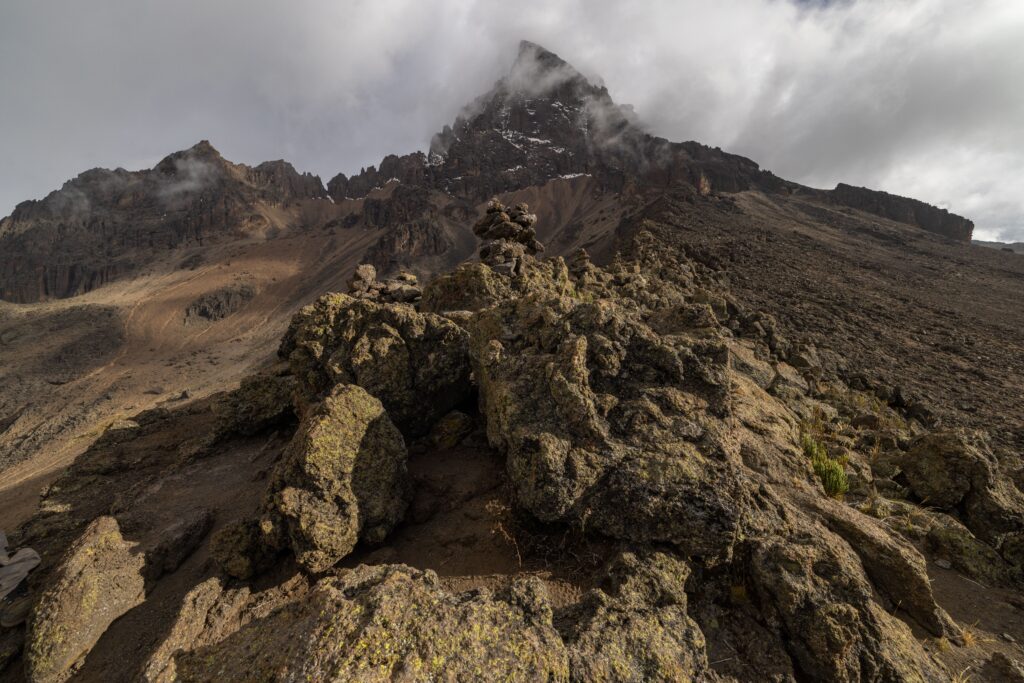
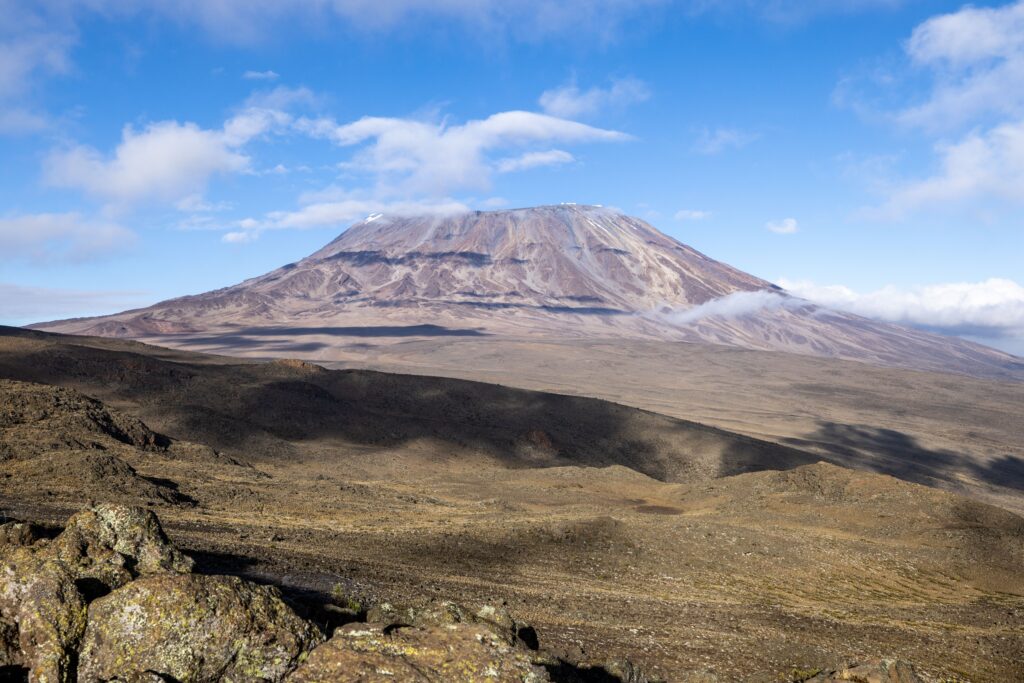
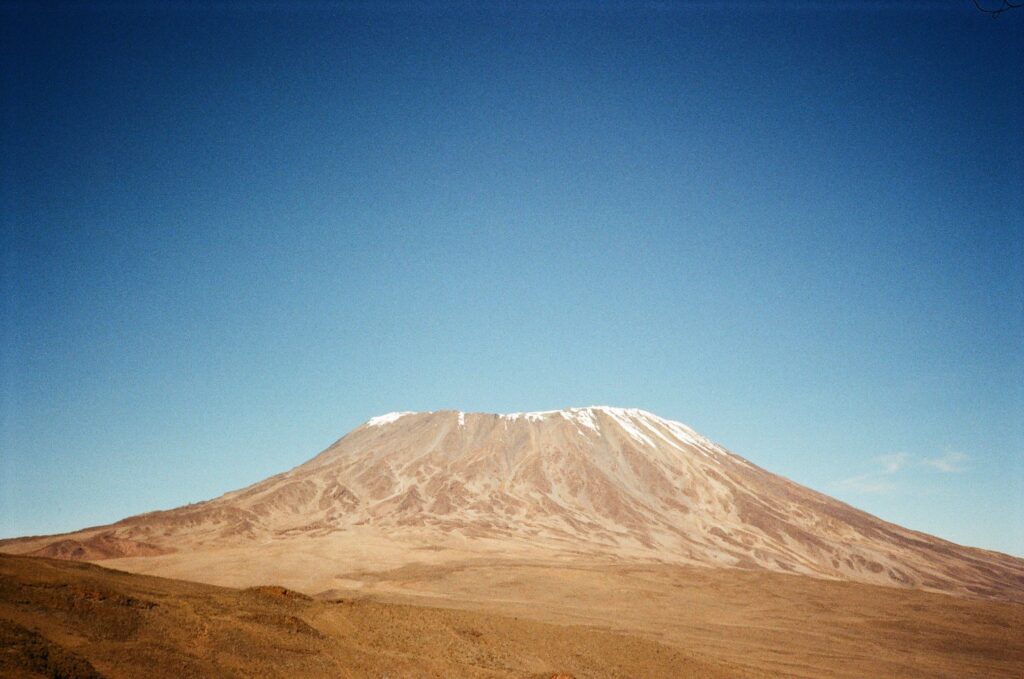
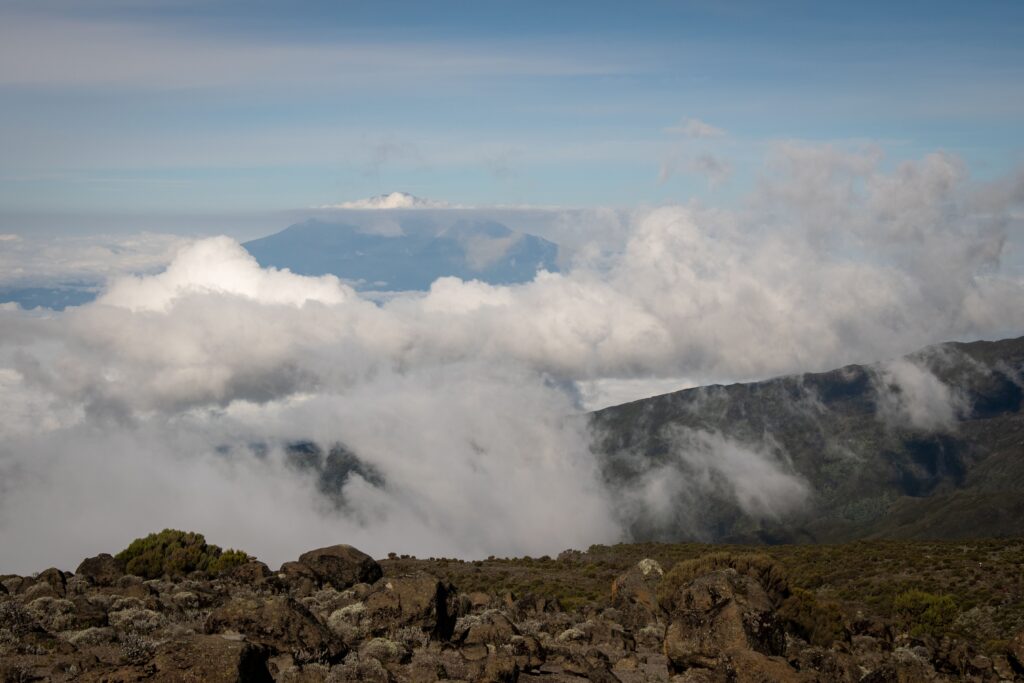
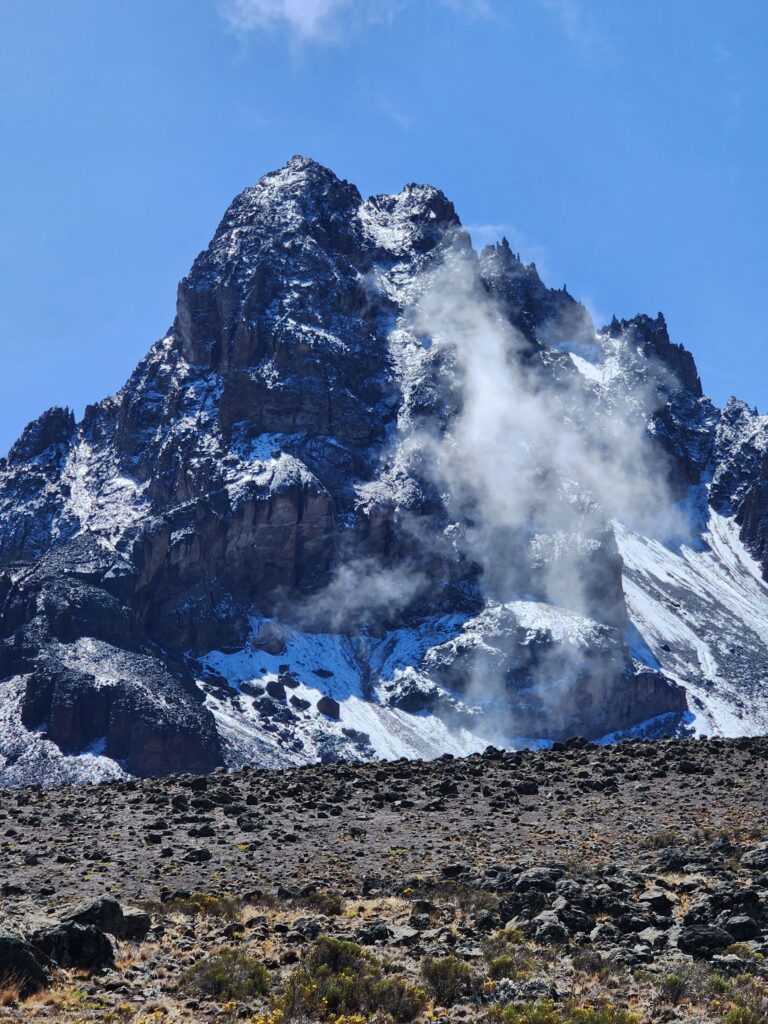
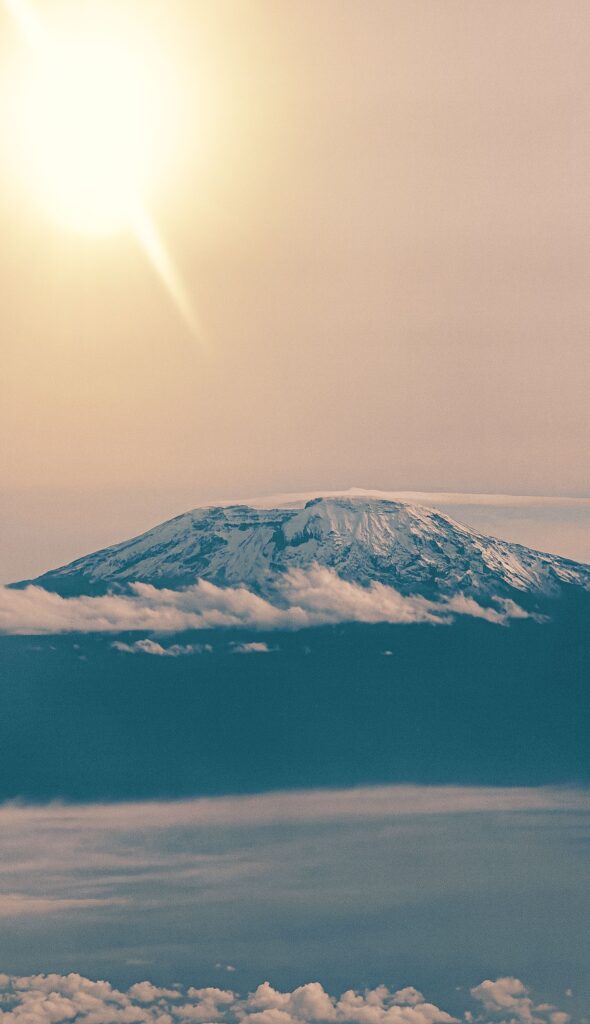
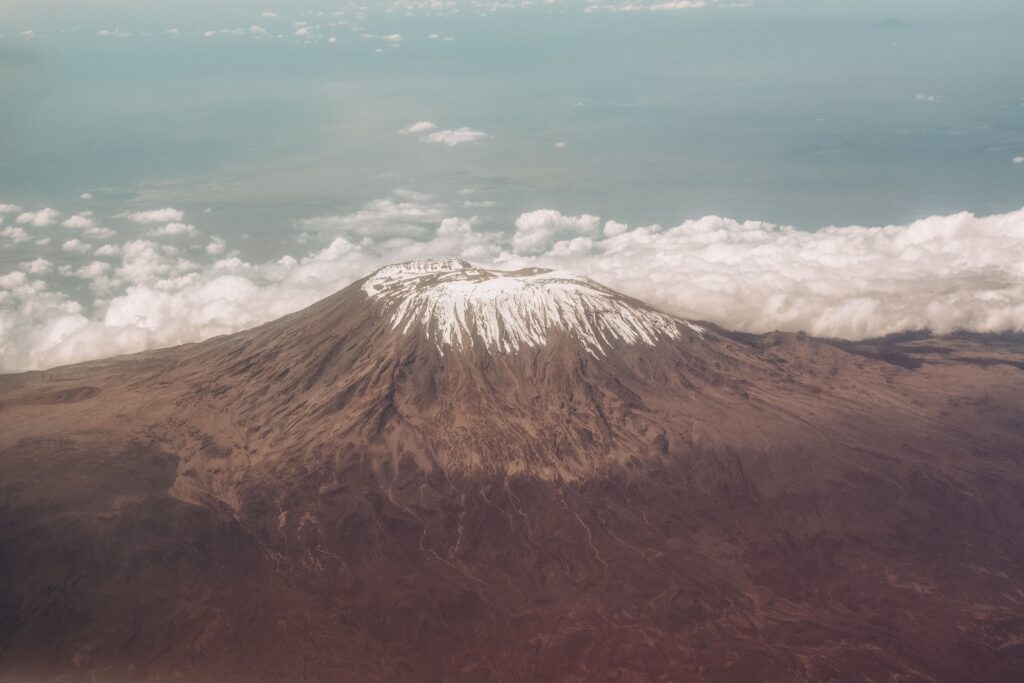
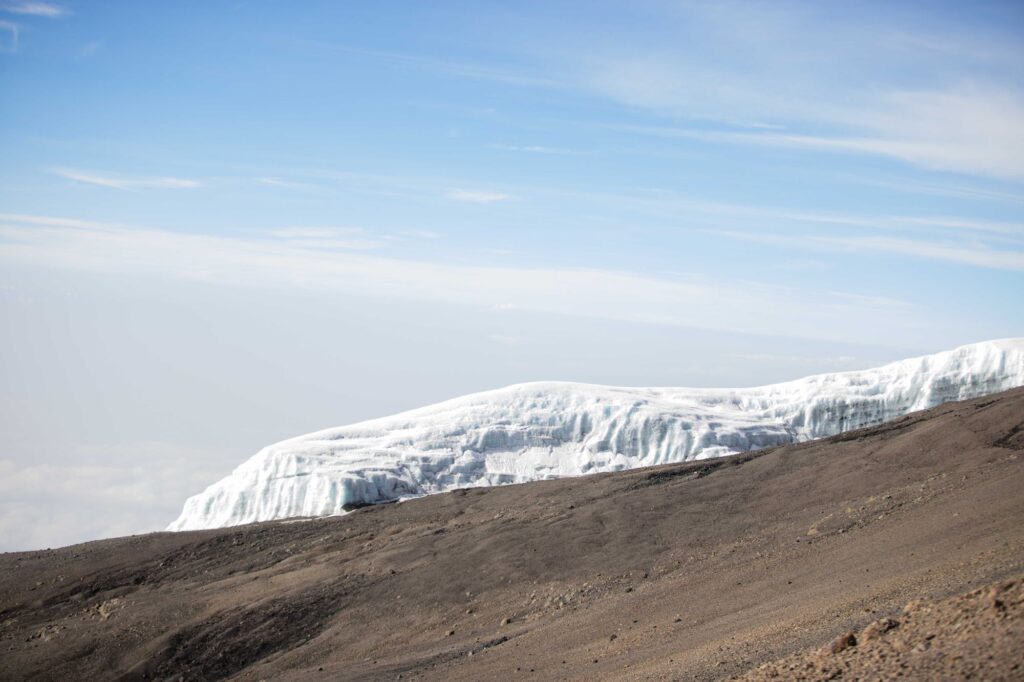
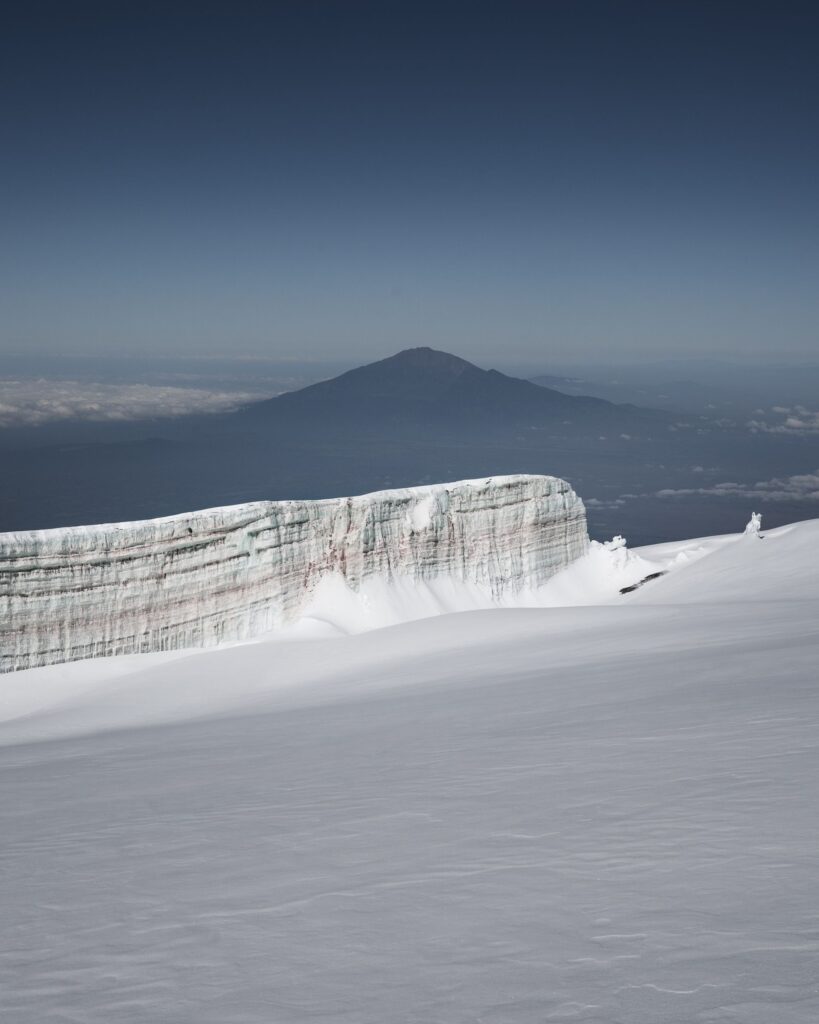
Mount Kilimanjaro is Africa’s highest summit and one of the world’s most attainable high-altitude treks when paced correctly. Standard tourist routes cross rainforest, heather moorland, alpine desert, and glacier-crowned summit zones without technical rope work — so the real challenge is altitude, endurance, and choosing enough days.
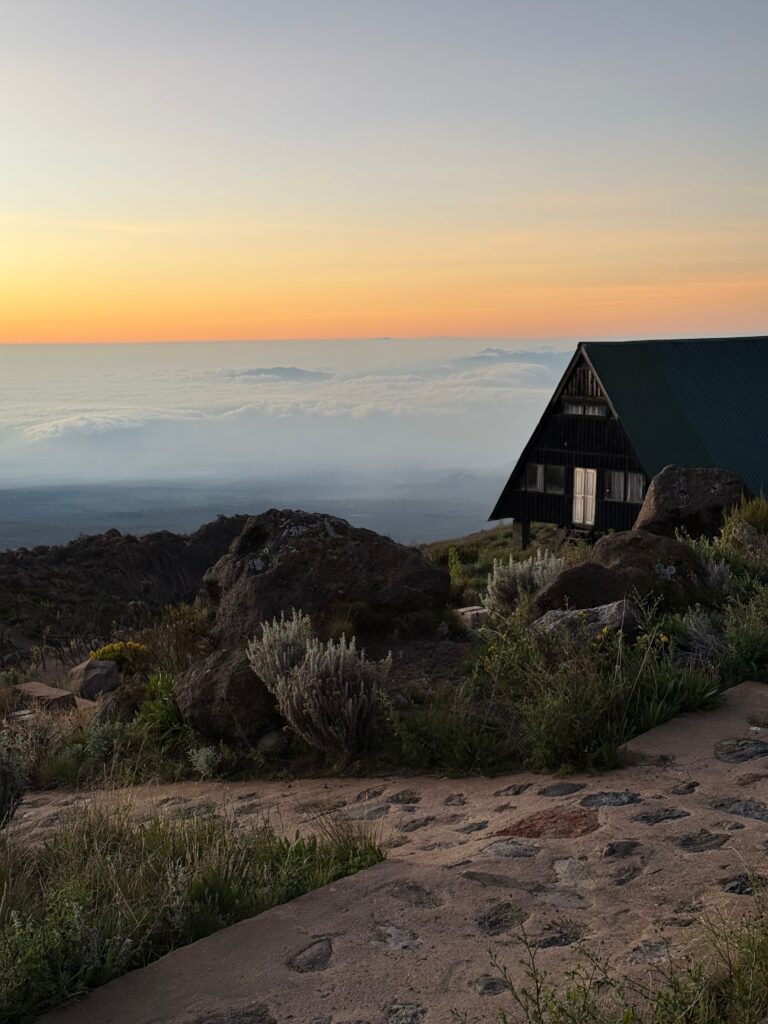
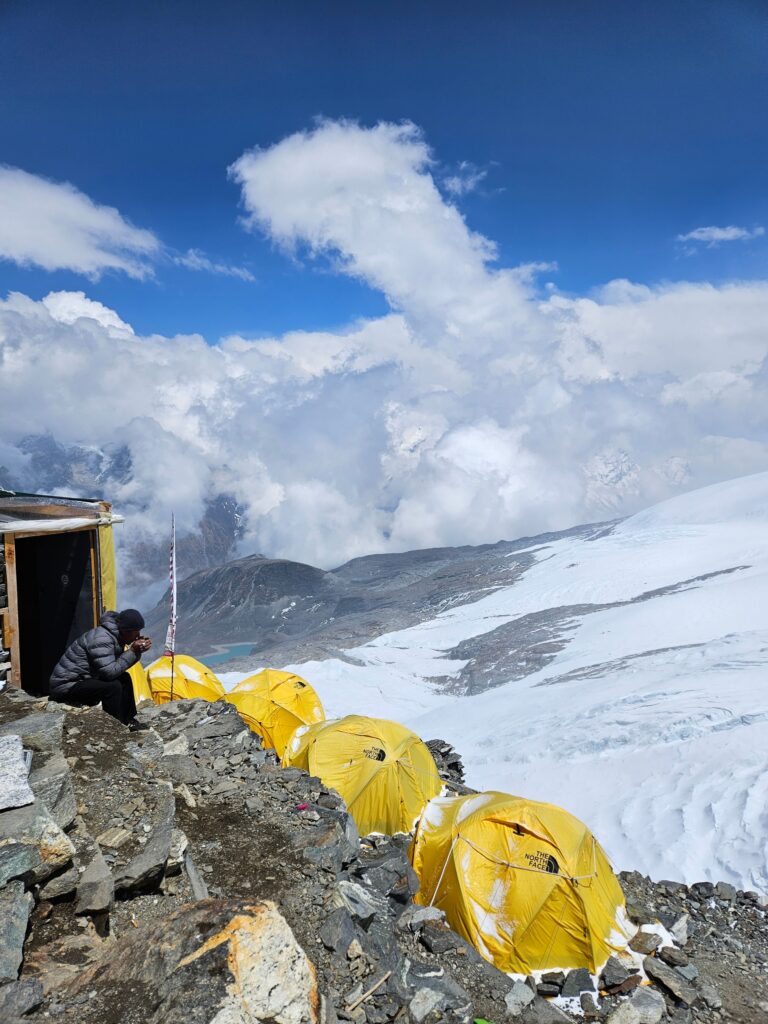
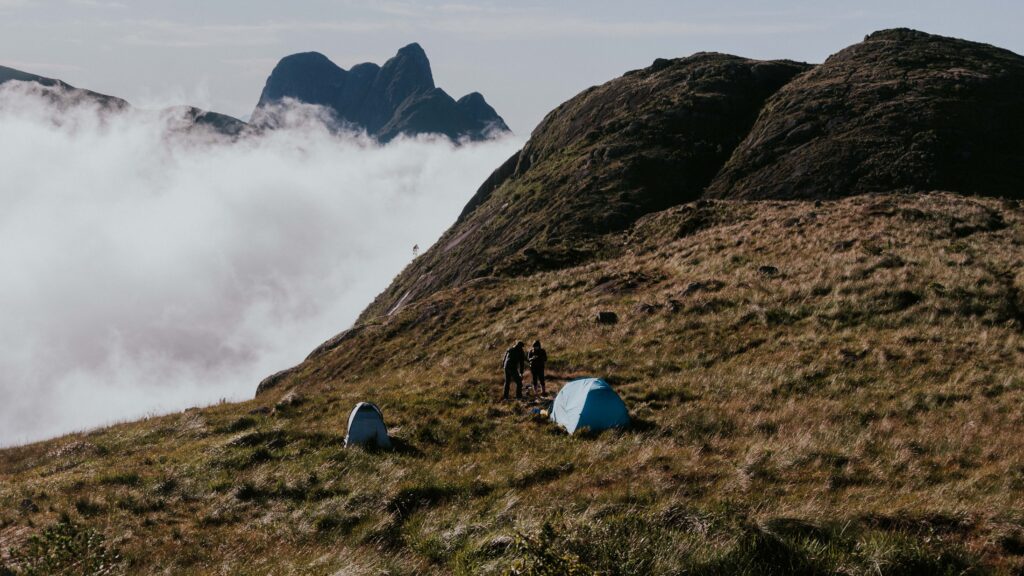
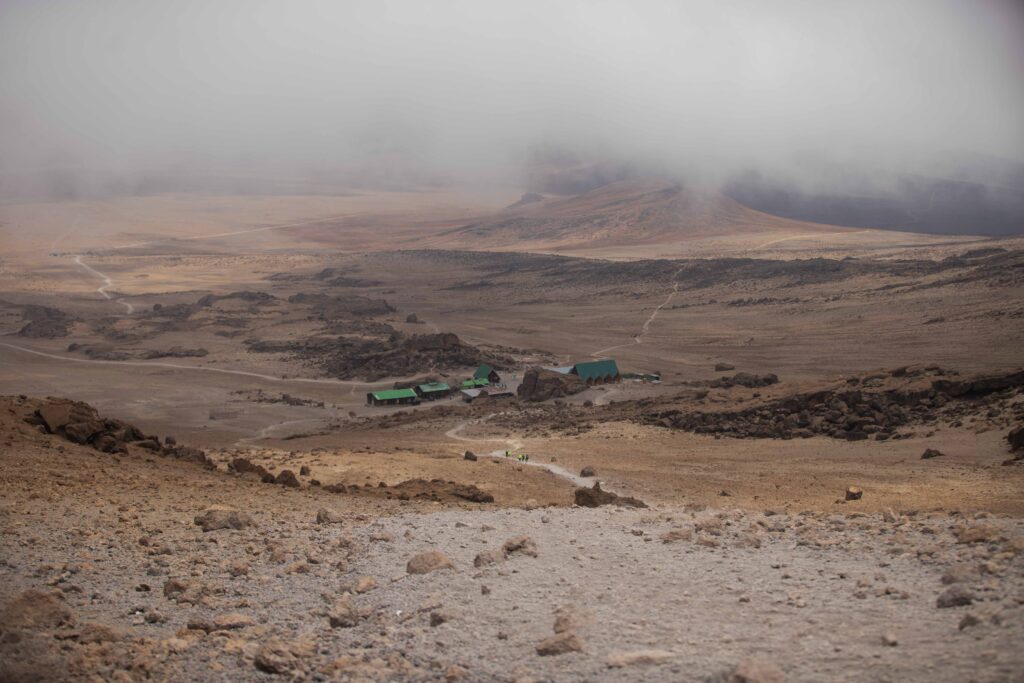
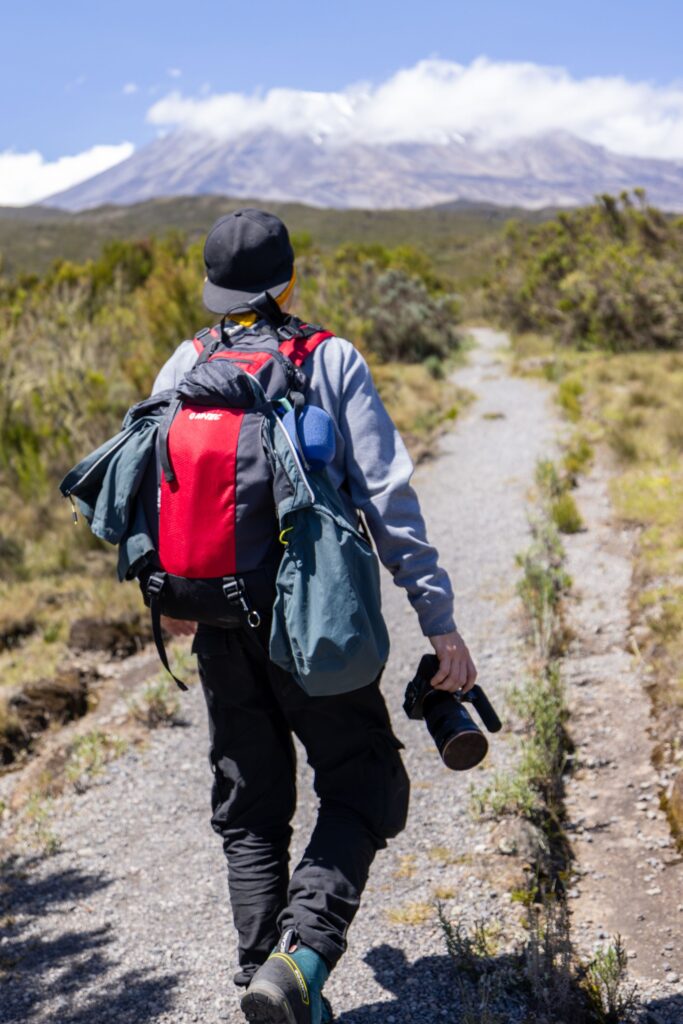
Popular options include Machame and Lemosho for scenic camping profiles, Marangu for hut-style nights, and Rongai for a quieter northern approach. Most climbers spend 7–9 days on the mountain with licensed guides, cooks, and porters, plus careful “climb high, sleep lower” pacing where the route allows.
Many guests pair Kilimanjaro with a short northern safari or a Zanzibar recovery week so one Tanzania trip delivers both summit and wildlife. Browse climb packages below, then tell Tanzania Safari Trip your fitness level, preferred route style, and travel month — we will match itinerary length and support levels honestly.
Success on Kilimanjaro is about pacing, crew quality, and matching the route to your experience — not rushing the mountain for a short headline itinerary. Tanzania Safari Trip works with licensed operators, clear porter standards, and day-by-day plans that protect acclimatization. You get practical gear advice, honest fitness talk, and optional Serengeti, Ngorongoro, or Zanzibar chapters after the trek so East Africa reads as one trip instead of a pile of separate bookings.
It depends on fitness, budget, and whether you prefer tents or huts. Machame and Lemosho are popular scenic camping routes with strong acclimatization when given enough days. Marangu’s huts appeal to some first-timers who want simpler overnight logistics. We recommend from your profile rather than pushing one marketing route.
Most responsible itineraries run 7–8 days on popular routes; longer profiles add an acclimatization day. Compressed climbs raise altitude risk and reduce summit odds. Share your dates and fitness level and we will show clear day-by-day options with trade-offs explained.
Drier windows (roughly January–March and June–October) are the most popular for clearer trails and summit mornings. Shoulder periods can work with flexible weather expectations. We avoid recommending climbs in the heaviest rains unless you accept muddier tracks and lower visibility.
No ropes or glacier climbing skills are required on the standard tourist routes. You do need solid fitness for long hiking days, the discipline to walk slowly at altitude, and honest prep for cold summit nights. Prior trekking helps but is not mandatory for every guest.
Yes. Many travelers trek first then safari, or safari first then climb. We space rest days so you are not exhausted on either chapter, and we can add Zanzibar afterward if you want an ocean recovery finish after Uhuru Peak.
Typical inclusions cover park fees, camping or hut arrangements per route, meals on the mountain, guides, porters, and transfers from the agreed meeting point. International flights and most personal gear are separate. Every Tanzania Safari Trip quote lists inclusions and exclusions clearly before you pay.
Filter Kilimanjaro climbs below by price and duration — or message Tanzania Safari Trip for a route, dates, and safari-combo quote.
Talk to our safari teamFind your safari
These packages visit this destination. Filter by price and duration — results stay focused on trips tagged here.