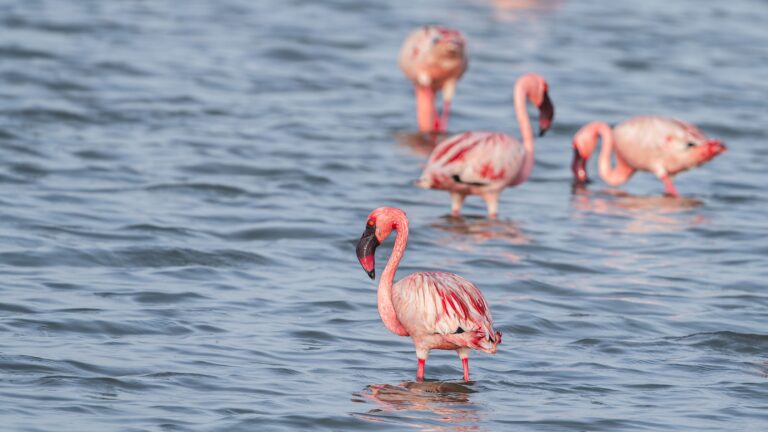


Track rollers, flamingos, raptors, and woodland specialists across Tanzania’s best bird habitats — tailor-made journeys by Tanzania Safari Trip.
Birding safaris in Tanzania turn classic game-drive country into a richer naturalist journey. At Tanzania Safari Trip, we shape routes around wetlands, woodland edges, crater forests, and open plains where rollers, waterbirds, and raptors share space with Big Five wildlife.
Rather than treating birds as an afterthought, we build mornings and park choices around your target list, photography needs, and pace. Go bird-first or combine serious birding with a wildlife safari spine across Serengeti, Ngorongoro, Tarangire, and Lake Manyara. Browse safari packages or pair with photography safaris when avian subjects are the main brief.


A Tanzania birding safari works best when habitats are sequenced with intention. Lake edges, groundwater forests, and migration windows produce very different species mixes from dry plains. We connect those habitats into one itinerary instead of hoping random game drives cover your list.
We also help you choose private vehicles for flexible stops, lodge locations near productive birding zones, and the right travel month for migrants and residents. That means practical start times, quieter scanning moments, and honest advice about what you are most likely to see during your dates.
November to April often rewards birders with Palearctic migrants and lush green habitats, while resident species remain strong across northern parks.
June to October is excellent for dry-season visibility, raptor activity, and combining birding with classic mammal safaris. Exact wetland conditions vary by year; we refine recommendations to your target list. Broader month context: best time for Tanzania safari.
This experience suits dedicated birders, photographers who love avian subjects, couples wanting a specialized safari angle, and travelers combining mammal viewing with richer naturalist days. It also works for first-time visitors who want more than a Big Five checklist alone.
If species targets matter, share a wish list early and we will bias parks, start times, and stop frequency so birding stays purposeful. For quieter habitat days beyond the busiest northern loops, see also wilderness safaris.
We start by matching your travel month, birding goals, and preferred trip length to the right habitat mix. From there we recommend parks, lodge bases, and private-vehicle options so you spend more energy on productive stops and less on empty transfers.
Once the route feels right, we finalize accommodations, park logistics, and optional beach extensions via safari and Zanzibar. Cost context: safari cost guide. Request a written quote on Book Now or contact us.




Most packages include accommodation, park fees, a safari guide, a 4×4 vehicle, and meals as listed. Private vehicles and specialist guiding can be arranged. Flights, visas, travel insurance, and tips are usually separate unless stated otherwise.
Many excellent sightings happen with strong safari guides. For serious checklists, we can arrange more birding-focused guiding and a pace that favors scanning and identification over rushing to the next mammal sighting.
Lake Manyara, Tarangire, Ngorongoro, and Serengeti all offer strong birding in different habitats. We refine the mix to your target species and season rather than copying a generic northern loop.
Yes. Most itineraries blend mammal viewing with dedicated birding windows so you do not lose classic Tanzania wildlife moments while still protecting time for scanning and photography.
Highly recommended. Private vehicles let you stop for perched birds, flight shots, and quieter observation without group pressure to move on before you have identified the bird.
Pack binoculars, a field guide or app, neutral clothing, sun protection, a camera with a longer lens if possible, and soft luggage. We can advise on photography kit by season and vehicle setup.
Absolutely. Some travelers continue to coastal or island habitats after northern parks. We combine both with clear flight planning so the beach chapter feels like recovery, not another scramble.
November–April often brings migrants and lush habitats; June–October favors dry-season visibility and classic mammal pairing. We match your target list to the month rather than forcing one “perfect” season.
Five to eight days covers a strong northern habitat mix for most travelers. Longer trips allow quieter sectors, more wetland time, or a coastal extension without rushing productive mornings.
Yes — colorful, visible species and open habitats make Tanzania welcoming for new birders, especially with a private vehicle and a guide who enjoys slowing down. Share your experience level so we set the right pace.
Tell us your travel month, target species, and preferred comfort level — we will shape the right birding safari around the habitats you care about most.
Request a custom quote