
Kilimanjaro, Mount Meru, and high-country trails across East Africa — guided treks with honest pacing by Tanzania Safari Trip.
East Africa mountain treks deliver high landscapes, volcanic silhouettes, and summit challenges without needing technical alpine skills on the main tourist routes. At Tanzania Safari Trip, we arrange Kilimanjaro climbs, Mount Meru treks, and related highland journeys with experienced crews, clear acclimatization advice, and logistics that connect neatly to safari or beach extensions.
Rather than selling one route as perfect for everyone, we match trail length, hut vs camping styles, and fitness expectations to your dates. Whether you want Meru as Kilimanjaro training, a full Kili summit attempt, or a scenic highland trek with softer goals, the plan stays practical from briefing to descent. Browse safari packages if wildlife follows the mountain.


An East Africa mountain trek works best when route days, crew quality, and recovery time match your fitness. Summit odds improve with patience more than with rushed profiles. We connect those realities into one itinerary instead of forcing a one-size climb onto every traveler.
We also help you choose Meru vs Kilimanjaro, camping vs hut options where relevant, and whether a wildlife safari should come before or after the mountain. That means transparent inclusions, gear checklists, and honest talk about altitude pacing from the first enquiry.
January to March and June to October are the most popular climbing windows on Kilimanjaro and Meru, generally offering better trail conditions on the lower slopes.
Rainier months remain climbable with the right expectations and gear. Summit temperatures stay cold year-round; we brief layers and wind protection for every departure month. If you are also timing parks afterward, use best time for Tanzania safari so both halves of the trip align.
This experience suits fit hikers wanting Africa’s iconic summits, travelers using Meru as a shorter highland challenge, groups seeking a shared goal before safari, and guests who want one major adventure with clear safety culture.
It also works for first-time high-altitude trekkers willing to walk slowly and follow guide advice. Forest hikers comparing plains vs mist trails sometimes combine later with gorilla trekking — different mountains, same need for honest fitness briefing.
We start by matching your dates, fitness, and preferred peak to the right route profile. From there we confirm park fees, crew, camps or huts, and transfers from Arusha or Moshi — including JRO to Arusha links when needed.
Once the plan feels right, we finalize gear lists, trek logistics, and any safari or beach extension via safari and Zanzibar. Cost context for the wildlife half: safari cost guide. Request a quote on Book Now or contact us.


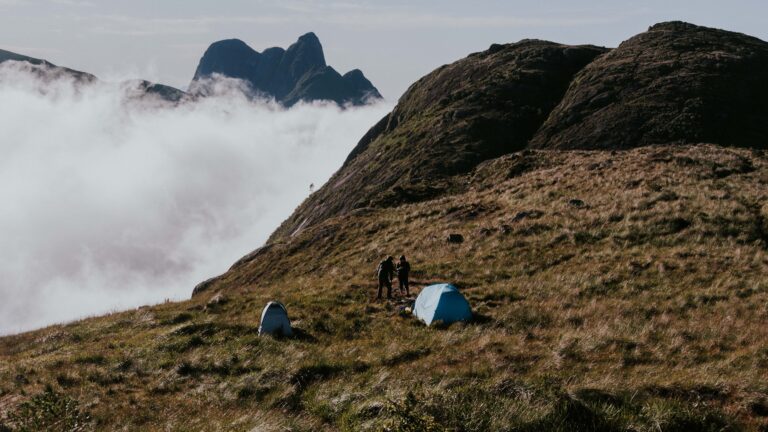
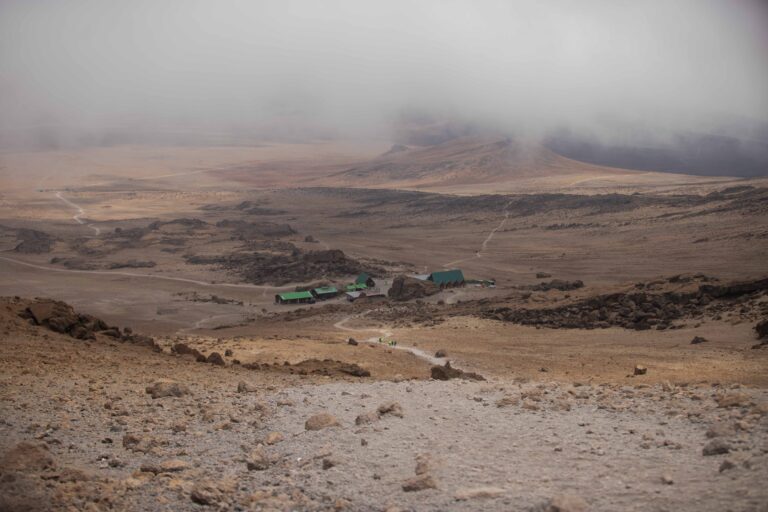
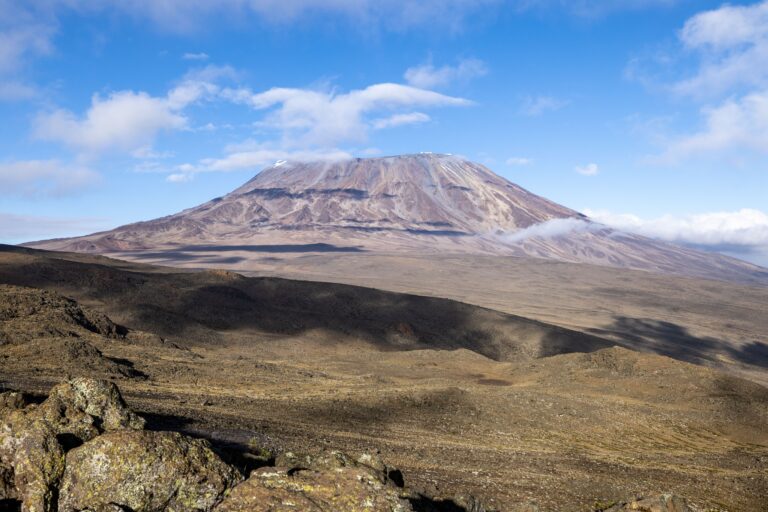
Kilimanjaro and Mount Meru are the core Tanzania options we arrange most often. We can also advise on wider East Africa highland ideas when they fit your dates and logistics — without overselling what your calendar can honestly support.
Standard tourist routes on Kilimanjaro and Meru are trekking routes, not technical climbs. You need hiking fitness, warm layers, and disciplined slow pacing at altitude — not ropes or glacier skills.
Yes for many travelers. Meru offers useful altitude exposure and mountain days in a shorter profile, then pairs well with a later Kilimanjaro attempt or a safari finish. We will say if your recovery window is too tight.
Meru is often shorter; Kilimanjaro success usually improves on 7 to 9 day profiles. We recommend based on fitness and available time rather than the shortest brochure option.
Typical packages include park fees, guides/porters/cook, mountain meals, tents or huts by route, and listed transfers. Personal gear, tips, and travel insurance are usually separate — we spell this out per trip.
Absolutely. Many guests trek first, then unwind on a northern-circuit safari or Zanzibar beach. We leave recovery space before long game-drive days so the second chapter feels like a holiday, not punishment.
Layered clothing, broken-in boots, poles, headlamp, warm summit layers, and a daypack are essentials. We send a detailed gear checklist with your confirmed route and whether you are camping or using huts.
January–March and June–October are the popular windows with generally better lower-slope conditions. Rainier months remain climbable with good gear. Summit cold is year-round — pack for it.
You should be comfortable hiking several hours a day on consecutive days with a daypack. Hill training helps more than gym-only cardio. Age alone is not the limiter — pace and acclimatization are.
Choose Kilimanjaro if the summit of Africa’s highest peak is the non-negotiable goal and you have enough days. Choose Meru for a shorter highland challenge, training value, or when your calendar cannot support a full Kili profile.
Tell us your dates, fitness base, and preferred peak — we will shape the right trek profile around the summit experience you care about most.
Request a custom quote