


In 2025, Tanzania welcomed 2,294,495 international visitors and earned USD 4,410.6 million from tourism, according to the Bank of Tanzania’s 2025 International Visitors’ Exit Survey Report. Those records matter for planners because average nightly spend rose again—especially for package wildlife trips.
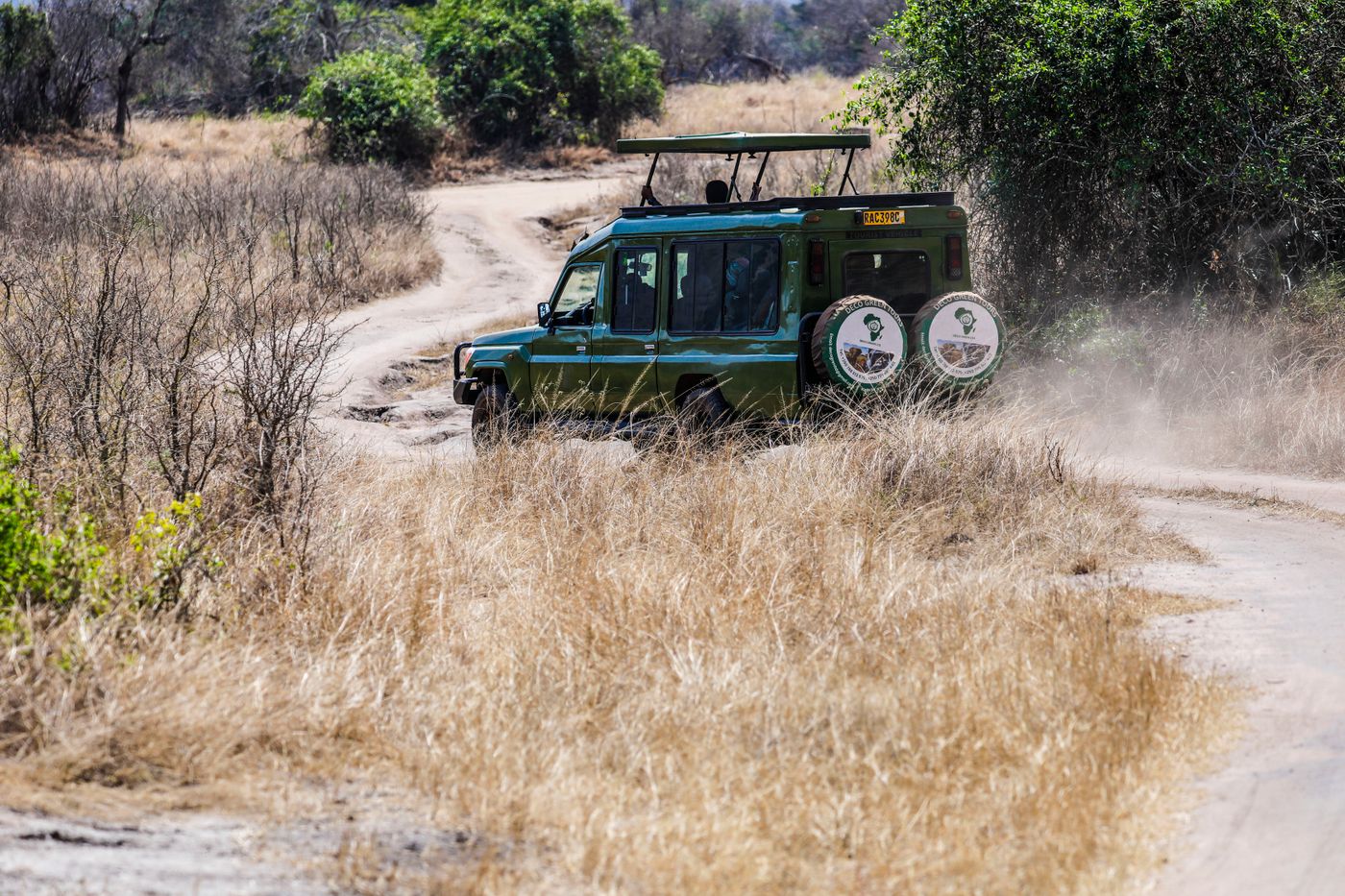
This guide breaks down Tanzania safari cost by night, by trip length, and by the line items that inflate quotes. You will leave with realistic ranges for mid-range and premium Northern Circuit itineraries, plus ways to control the total without cutting wildlife time.
Key Takeaways
- Wildlife safari visitors averaged USD 452 per person per night in 2025 (Bank of Tanzania / NBS exit survey).
- Package travelers spent USD 479/night overall; non-package visitors averaged USD 203.
- A typical 7–9 day mid-range Northern Circuit safari often lands between about USD 1,550 and USD 4,800+ per person before international flights.
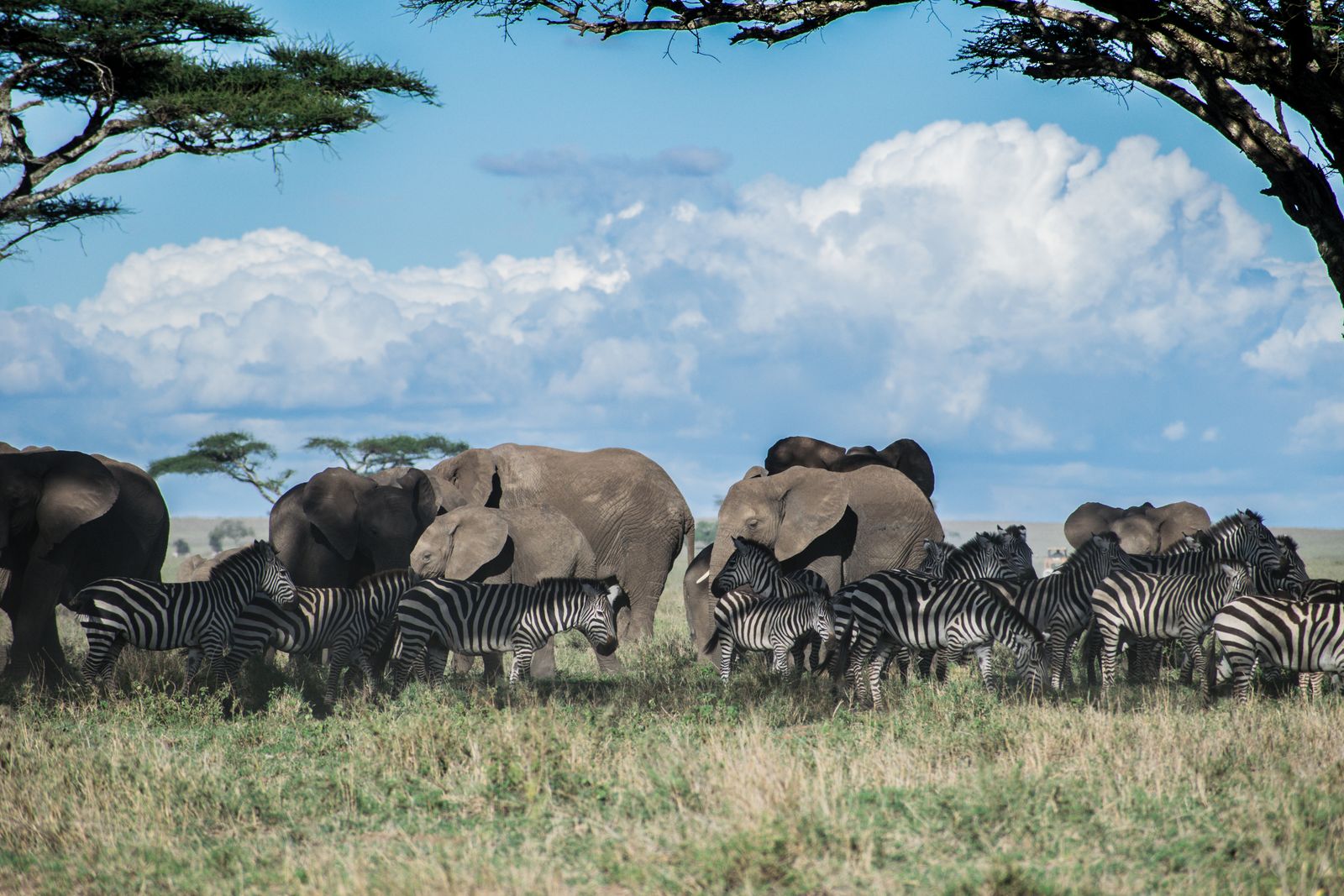
Most mid-range 7–9 day northern circuit packages land roughly between USD 3,500 and USD 7,000 per person sharing, land-only, depending on season and lodge tier. Short 5-day intros can start near USD 1,550–2,500. Luxury and fly-in migration camps rise quickly above USD 8,000. Per night, package wildlife guests often sit far above beach averages — park fees, private 4x4s, and limited lodge stock drive the number.
Use the ranges below to stress-test quotes, then request a written safari quote with your month, group size, and lodge style. For a day-by-day week, see our 7-day northern circuit guide and 7-day package.
In 2025, the overall average expenditure in the United Republic of Tanzania rose 19.1% to USD 289 per person per night (Bank of Tanzania, 2025 International Visitors’ Exit Survey Report, retrieved 2026-07-22). That figure mixes beaches, cities, VFR travel, and safaris—so it understates a dedicated wildlife trip.
For wildlife safaris alone, Table 2.14 in the same report shows a clearer price signal: USD 225 (non-package), USD 678 (package), and USD 452 overall per person per night. That gap explains why “cheap safari” quotes and “all-inclusive private safari” quotes feel like different products.
According to the Bank of Tanzania and National Bureau of Statistics exit survey, wildlife safari visitors in Tanzania spent USD 452 per person per night on average in 2025, with package guests averaging USD 678 and independent travelers USD 225.
If you budget around USD 350–700 per person per night for a guided package safari (park fees, vehicle, guide, mid lodges), you will land closer to real 2025 spend patterns than a generic “USD 200/day Africa” rule of thumb.
Related: When is the best time to see the Great Migration in the Serengeti?
In 2025, the average visitor stay was 9 nights in mainland Tanzania (URT), down one night from the prior survey year (Bank of Tanzania, TTSS 2025, retrieved 2026-07-22). Multiply that length by wildlife package spend and you get why week-long Northern Circuit trips rarely feel “budget” once parks and lodges are included.
Published package starting prices from our live safari catalog (July 2026) illustrate the spread for real itineraries:
| Trip style (examples) | Days | From price / person |
|---|---|---|
| Short cultural + parks intro | 5 | from USD 1,550 |
| Classic Northern Circuit | 7 | from USD 4,400 |
| Unhurried Northern Circuit | 9 | from USD 4,820 |
| Group migration explorer | 9 | from USD975 |
| Southern parks (Nyerere–Ruaha–Mikumi) | 10 | from USD 7,280 |
Those figures usually exclude international flights and most travel insurance. They typically include park fees, a private or shared 4×4, guide, and listed lodging—confirm the inclusions line by line.
Holiday makers spent the most among trip purposes in 2025, averaging USD 358 per person per night overall, while package holiday travel drove a large share of Tanzania’s USD 4.41 billion tourism earnings (Bank of Tanzania, TTSS 2025).

Related: 7-Day Northern Circuit Safari: What to Expect
In 2025, 58.8% of surveyed URT visitors traveled on a package arrangement, up from 56.3% in 2024 (Bank of Tanzania, TTSS 2025, retrieved 2026-07-22). Packages dominate wildlife travel because permits, vehicles, and lodge logistics are hard to coordinate alone.
A transparent Tanzania safari cost breakdown usually includes:
Field note from quote reviews: The surprise line item for first-timers is rarely “the jeep.” It is consecutive park nights. Three Serengeti nights mean three fee cycles. Shortening a park stay by one night can save more than swapping a lunch stop.
Package visitors spent USD 479 per person per night in 2025 versus USD 203 for non-package visitors—evidence that convenience, lodging tier, and bundled logistics—not just flights—drive Tanzania safari prices (Bank of Tanzania / NBS).
Related: Tanzania Safari Packing List
In 2025, beach tourism averaged USD 250 per person per night overall, while wildlife safaris averaged USD 452 (Bank of Tanzania, Table 2.14, TTSS 2025, retrieved 2026-07-22). Mountain climbing sat at USD 393; cultural tourism averaged USD 537.
Safari pricing stays high because the product is low-density and high-logistics: limited lodge beds inside or beside parks, mandatory conservation fees, specialized vehicles, and guide expertise. You are not buying a hotel room near a beach—you are buying access to managed wilderness with a small guest footprint.

In 2025, tourism earnings grew 13% even as average stays shortened slightly—signaling higher spend intensity per night (Bank of Tanzania / NBS tourism statistics, retrieved 2026-07-22). Smart planners cut waste, not wildlife hours.
Practical levers that usually work:
Non-package visitors averaged only USD 203 per person per night in 2025, but wildlife travelers still preferred packages for permits and guides—so “cheapest self-drive” is rarely the best value for first-time Serengeti guests (Bank of Tanzania, TTSS 2025).
Browse options: Tanzania safari packages
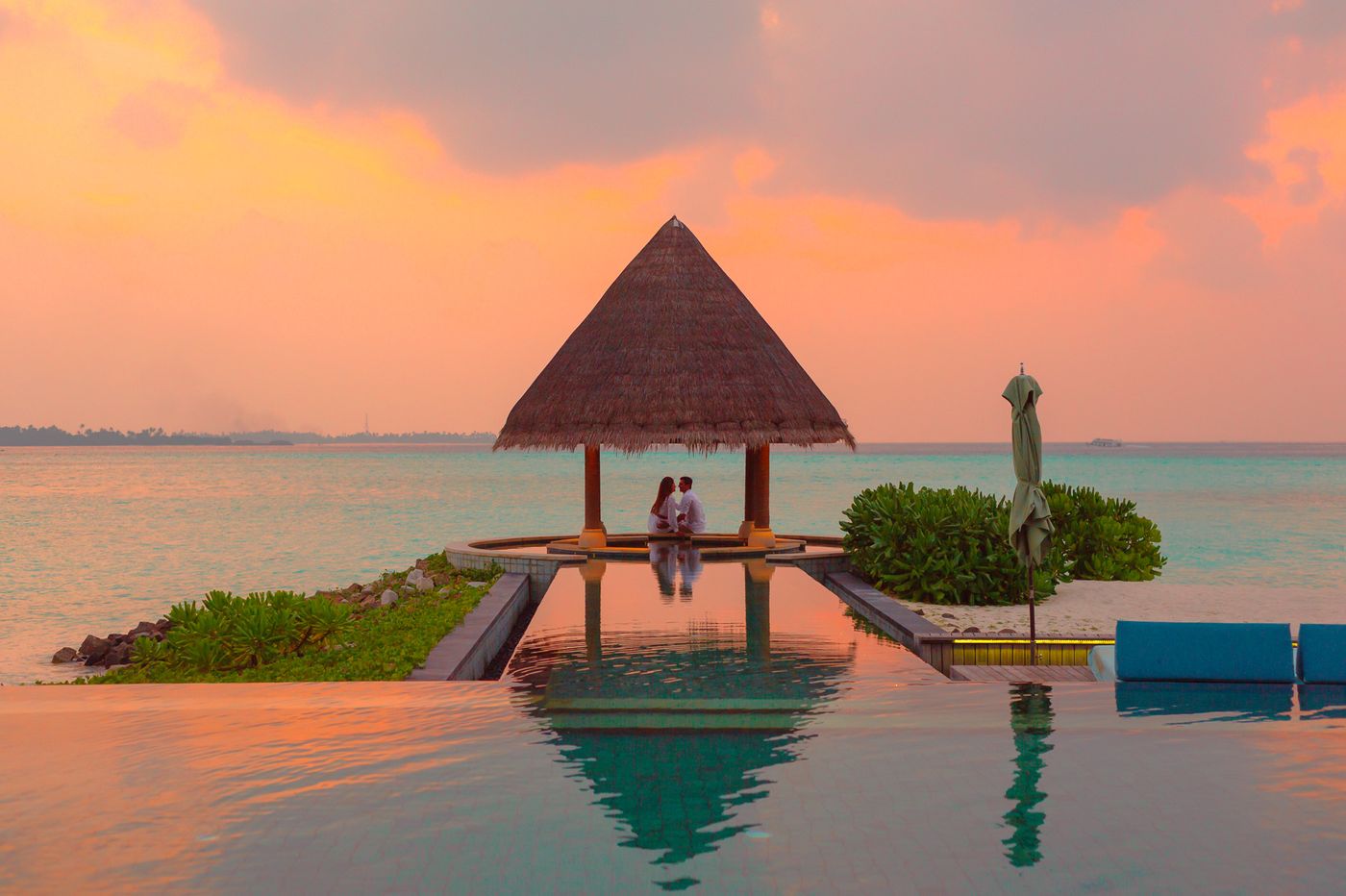
Holiday makers dominated earnings in 2025: leisure and holidays generated USD 4,233.5 million, or 95.9% of tourism earnings (Bank of Tanzania, TTSS 2025, retrieved 2026-07-22).
Rough planning bands for land-only Tanzania safari cost (per person, mid-2026 market quotes):
| Traveler profile | 7–8 days | 9–10 days |
|---|---|---|
| Shared-group / value mid-range | USD 2,500–4,200 | USD500–5,500 |
| Private mid-range Northern Circuit | USD800–5,500 | USD 4,500–7,000 |
| Premium / luxury lodges | USD 7,000–12,000+ | USD 9,000–15,000+ |
Family trips can lower the per-person vehicle share, but child park fees, interconnecting rooms, and longer transfers still add cost. Always ask for a line-item quote with park fee assumptions stated.
Couple, mid-range, 7 days northern circuit: often about USD 5,700-8,000 total land for two sharing, before international flights and tips. Family of four varies with child rates — many lodges discount kids sharing; ask for an age-banded quote. Luxury migration week: USD 8,000-15,000+ per person is common when fly-camps and peak dates stack.
Add tips (about USD 15-25 per person per day for guide and camp teams), visas, insurance, and a 10% contingency. Beach add-ons in Zanzibar change the total as much as a lodge upgrade — price safari and beach as separate blocks so comparisons stay honest.
If you want a quote that matches how Tanzania actually prices in 2026, start with nights in park, lodging tier, private vs shared vehicle, and whether migration positioning matters. Then compare apples to apples.
Request a custom safari quote with your dates and preferred parks—we will map a cost range before you commit.
When you compare operators, force the same nights, parks, and meal plan. Ask whether crater fees, Serengeti fees, and airport transfers are inside the number. Our 7-day northern circuit package starts from about USD 2,850 per person in published mid-range framing — final quotes move with season and lodge tier. Request a custom quote with dates and preferred comfort level.
A clear land quote usually includes park entry fees for the listed itinerary, a safari vehicle with driver-guide, lodge or tented-camp nights on full-board safari days, and drinking water in the vehicle. Airport pickup from Kilimanjaro (JRO) or Arusha is often bundled or easy to add.
Usually not included: international flights, Tanzania visa, travel insurance, tips, alcoholic drinks, laundry, hot-air balloon (often USD 500+), and souvenirs. Always read the inclusion list line by line — “budget” offers sometimes exclude crater or Serengeti fees that appear later as extras.
July–October dry season and Christmas/New Year dates push lodge rates and vehicle demand up, especially in northern Serengeti for migration. January–March can be excellent value for calving and green landscapes if you accept some showers. April–May long rains often bring the softest prices and quieter parks, with more muddy tracks.
If your dates are flexible, moving a trip two to four weeks outside peak school holidays can save more than switching from mid-range to bare-bones camps. Migration positioning is the other big lever — see best time for the Great Migration before you pay a premium for the wrong corridor.
Private 4×4 safaris cost more per person in a couple, but families of four often land close to shared-vehicle pricing while keeping their own pace. Small-group departures cut the vehicle line when you are solo or a pair willing to share. Photograpiers, families with mixed ages, and anyone chasing migration reports usually prefer private.
Vehicle roof style also matters less to the total than lodge nights, but it affects comfort. Compare options in our Land Cruiser vs pop-top guide and car rental hub if you are building a self-drive or with-driver plan.
Next, pair this budget framework with timing research for migration or dry-season game viewing, then shortlist itineraries that match your nightly rate. Explore more on our safari experiences hubs.
Related: Self-drive vs with-driver in Tanzania — when guided hire is the better default.
A clear Tanzania safari cost plan starts with flight times, hotel names, and luggage notes in one email so the quote stays accurate.
When guests ask about Tanzania safari cost, we walk timing buffers first, then vehicle type, then the written meeting point.
Strong Tanzania safari cost bookings share passenger count early – that is what keeps the vehicle size honest.
If your Tanzania safari cost window is tight, we would rather protect the next flight or trek morning than force a rushed road day.
Treat Tanzania safari cost as an operations choice: named pickup, soft bags where possible, and a confirmation you can open offline.
Most Tanzania safari cost stress comes from vague drop-off addresses – name the lodge or hotel before you fly.
We quote Tanzania safari cost privately for your group so safari luggage and child seats are planned, not improvised at the curb.
After you approve the Tanzania safari cost quote, keep the driver number saved and the meeting note on your phone.
Last updated: October 2026 Landing at Jomo Kenyatta International Airport (JKIA / NBO) after a long flight is not the moment to invent Masai Mara logistics. For many Kenya safari guests, the next big move is a private road day
Last updated: October 2026 Getting from Entebbe to Bwindi Impenetrable Forest is one of the most searched Uganda logistics questions for gorilla trek guests. The choice usually comes down to a long private road day versus a domestic flight plus
Last updated: October 2026 Landing at Kigali International Airport (KGL) with a gorilla trek permit on the calendar is exciting – and a little time-sensitive. Most guests need to reach Kinigi or Musanze the afternoon or evening before the trek
Tanzania Safari And Zanzibar Packages | Wildlife + Beach Guide
July 25, 2026[…] vary wildly by lodge level, season, and flight choices. For a full cost breakdown mindset, read how much a Tanzania safari costs, then add beach nights and the domestic […]