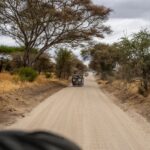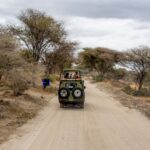

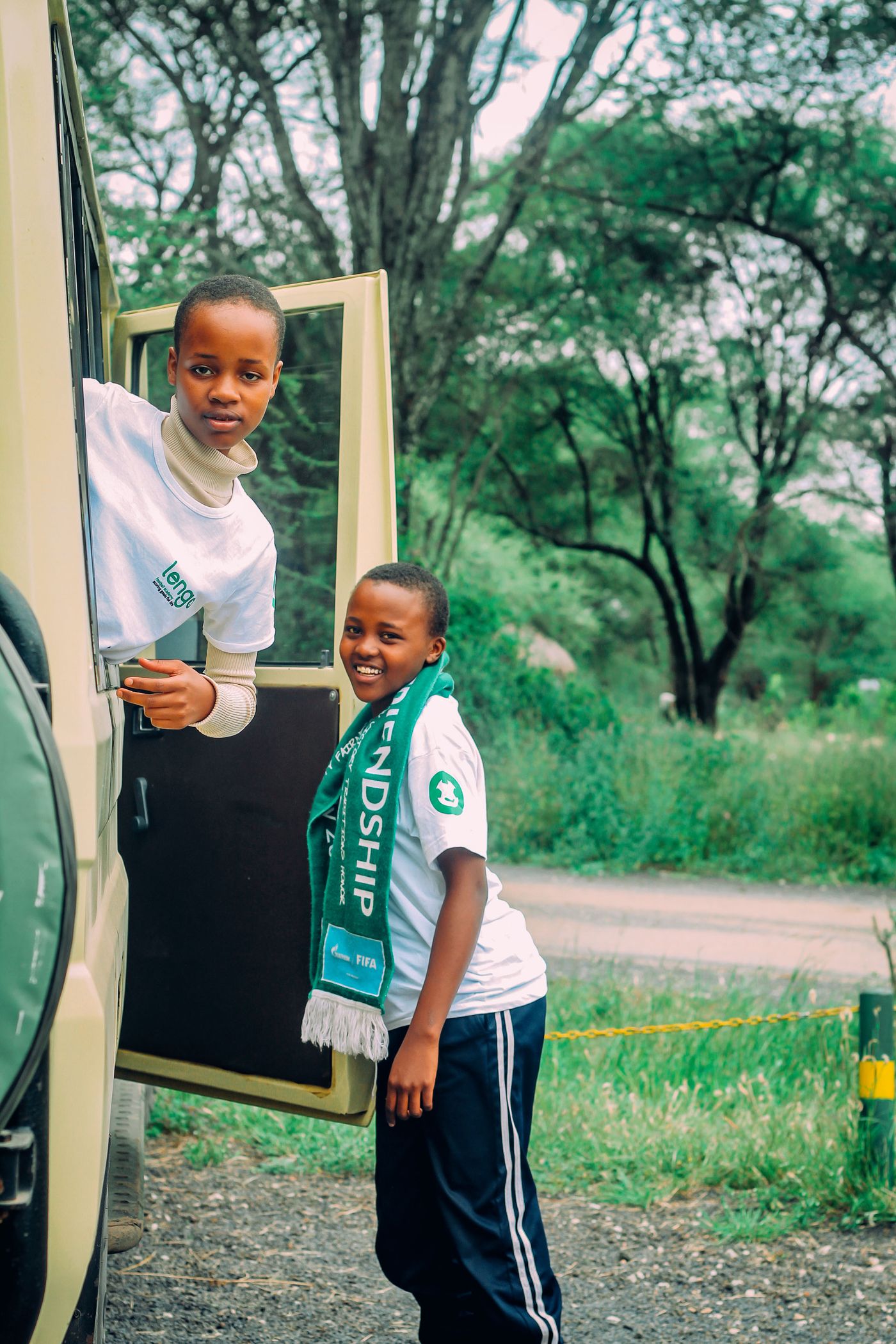
A family safari Tanzania trip is one of the few holidays that can make kids put the tablet down without a bribe. Lions at dawn, elephants at a watering hole, and a guide who knows when to go quiet — that mix turns travel days into stories families still tell years later.
This guide is written from the operator side: what ages fit which parks, how long a family safari Tanzania itinerary should run, what lodges actually help, and how to avoid the classic mistake of packing too many transfers into too few days.
Quick answer: Most families do best with a private vehicle, 6–8 safari days on the northern circuit (Tarangire, Ngorongoro, Serengeti), and optional Zanzibar beach time after the wildlife days. Ages 6+ usually handle full game-drive days; younger kids need shorter drives and flexible lodge time.
It is for parents planning a first East Africa trip with children, multi-generational groups bringing grandparents, and travelers comparing a private family safari Tanzania plan against a shared group departure.
It is also for families who want honest pacing advice — not a brochure that promises six parks in five nights. If you want wildlife that feels unhurried, lodges that can handle early bedtimes, and a guide who will turn around when someone needs a snack break, this page is for you.
If you are still deciding between Kenya and Tanzania for a first family safari, read our Kenya vs Tanzania safari comparison after this guide, then come back to lock the Tanzania route.
Tanzania’s northern circuit keeps travel distances manageable while still delivering classic savannah wildlife. You can land at Kilimanjaro International Airport (JRO), sleep near Arusha the first night, and reach Tarangire or Lake Manyara the next morning without a marathon transfer.
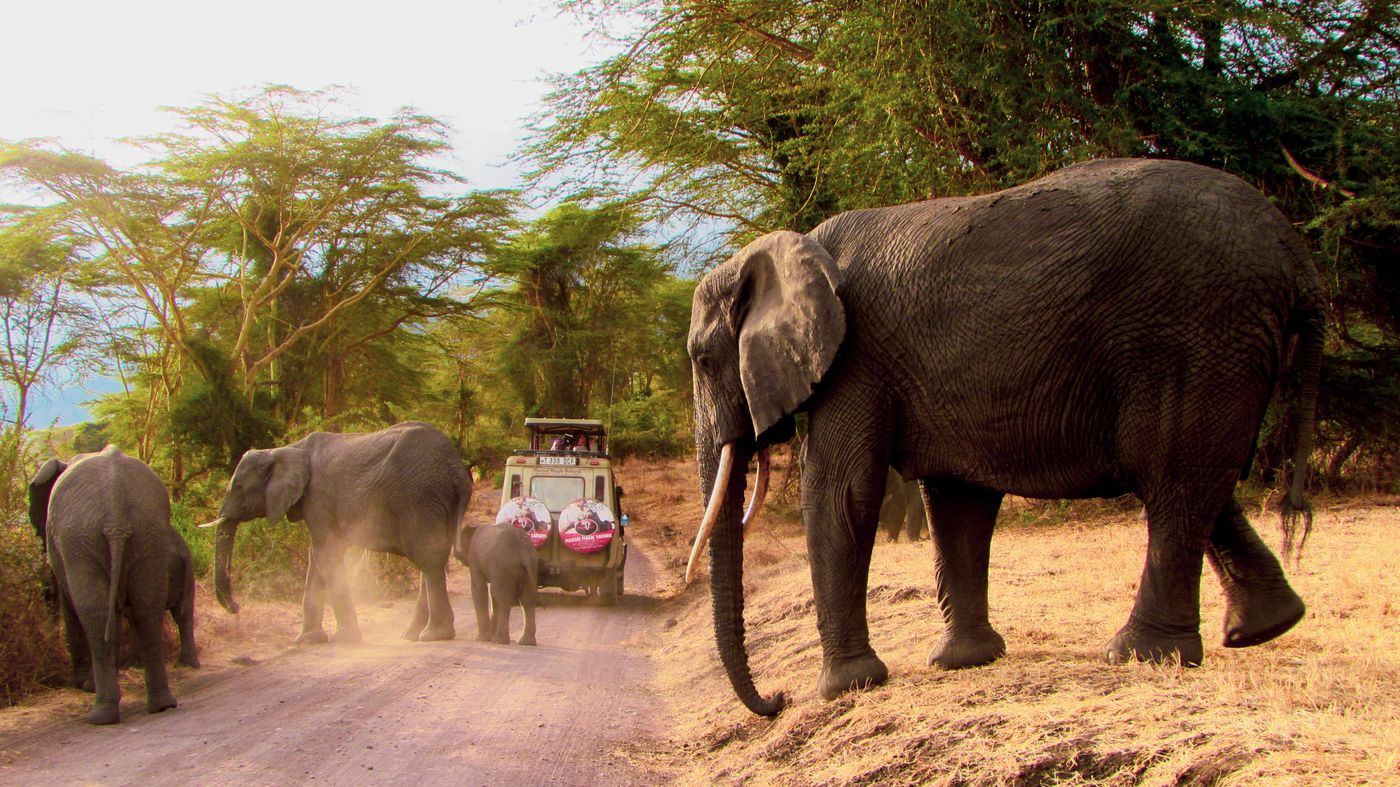
The parks themselves help. Tarangire’s elephants and baobabs give kids big, easy sightings. Ngorongoro packs predators, zebra, and flamingos into one crater day. The Serengeti stretches the trip into open plains where wildebeest, big cats, and long horizons feel like the Africa kids drew in school.
Add English-speaking guides, family-friendly lodge layouts, and a natural beach finish on Zanzibar, and you get a trip that works for mixed ages without forcing every day into hard adventure mode. That combination is why so many first-time families choose Tanzania over a multi-country scramble.

There is no single perfect age — but there are realistic bands.
Many lodges set a minimum age (often 6 or 12) for shared vehicles, walking activities, or certain tented camps. Always confirm before you book — especially for fly camps or mobile migration setups.
If your youngest is under school age, we usually recommend fewer parks, more lodge swimming time, and avoiding peak migration crowds unless you specifically want that energy.
A strong core for families is Tarangire → Ngorongoro → Serengeti. It covers elephants, crater density, and open-plains drama without bouncing across the country.
Lake Manyara can be a smart half-day or overnight add for tree-climbing lions lore and a change of scenery, but it is optional — not mandatory for a first family safari Tanzania trip.
Skip stacking Ruaha, Nyerere, or Mahale onto a first northern-circuit family trip unless you have 14+ safari days and older kids. Long flights and bush strips eat patience fast.
Plan roughly 6–8 safari days for the northern circuit if you want wildlife without rushing. Many overseas families book 10–14 days total once you add arrival buffers and optional Zanzibar.
Use our 7-day northern circuit safari guide as a base, then stretch nights where kids need recovery. Do not “save money” by cutting the Serengeti to one night — that is usually the night everyone regrets.
Private wins for most families. You control start times, snack stops, bathroom breaks, and how long you stay with a sighting when a child is either glued to binoculars or done for the morning.
Shared group departures can work for teens and very flexible parents — and they cost less per person — but they rarely bend for a toddler’s nap window. If anyone in the vehicle is under about 8, private guiding is the calmer choice.
A private safari vehicle with a driver-guide also means you can request window seats that rotate, keep a cooler with fruit and water, and leave a lodge later after a slow breakfast. Those small freedoms are what make a family safari Tanzania itinerary feel human instead of military.
See our notes on private safari vehicles and safari with a driver if you want the logistics side before you request a quote.
Look for family rooms or adjoining tents, reliable hot water, mosquito nets that actually fit, and staff used to early dinners. A small pool is not frivolous with kids — it turns hot afternoons into recovery time instead of cabin fever.
Mid-range lodges around Tarangire, Karatu/Ngorongoro, and central Serengeti usually handle families better than ultra-remote mobile camps. Save fly-camps and walking-heavy properties for teens or a second safari.
Ask specifically about: child meal options, laundry turnaround, generator / solar quiet hours, and whether rooms are upstairs-only (tough with toddlers and grandparents). We match properties to age mix rather than chasing the flashiest Instagram lodge.

Neutral layers, a warm fleece for dawn drives, closed shoes, hats, sunscreen, and a soft duffel (not a hard suitcase) cover most families. Soft-sided bags fit safari vehicles and light aircraft rules better.
Kid-specific essentials: binoculars they can actually hold, a small notebook for “animal tallies,” motion-sickness tablets if needed, favorite snacks that are not sticky, and a tablet loaded offline for the longest transfer day only — not for every game drive.
Full clothing and bag details live on our Tanzania safari packing list. Pack less than you think; laundry at mid-range lodges is usually available.
Guided game drives in national parks are structured for safety: you stay in the vehicle unless a guide says otherwise, you keep arms inside near predators, and camps brief guests on night walks to the dining tent.
Health planning matters more than drama. Talk to a travel clinic about malaria prophylaxis for the areas you will visit, pack a basic first-aid kit, and carry any prescription meds in hand luggage. Yellow fever certificates depend on your routing — confirm before you fly.
Realistic expectations beat fear. Dusty roads, early starts, the occasional long wait for a lion to stand up, and other vehicles at popular crater sightings are normal. What is not normal is feeling unsafe in a reputable private safari vehicle with an experienced guide.
For a deeper operator take, read Are Tanzania safaris safe? — then ask us anything specific to your kids’ ages before you book.
Families often travel in July–August or around Christmas / New Year because of school calendars. Those windows coincide with dry-season wildlife viewing and higher lodge rates, so book early for family rooms.
January–February can be excellent for shorter grass, newborn animals, and calving-season predator action in southern Serengeti — often with fewer vehicles than July. April–May rains mean greener scenery and better value, but some dirt roads get slower and certain camps close.
Match dates to your school holidays and wildlife priorities. Our best time for Tanzania safari guide breaks months down without pretending one week is magic for every family.
A practical 10-day shape many families love:
Swap in an extra Serengeti night if your kids are wildlife-obsessed, or add Zanzibar nights using our Tanzania safari and Zanzibar planning notes.

A family safari Tanzania trip costs more than a beach holiday of the same length because parks charge per person per day, vehicles are private, and mid-range lodges price by room rather than by “kid free” marketing slogans.
Child discounts vary by lodge and age — some reduce sharing rates under 12; park fees are often still charged from a low age. Flights into JRO, tips, drinks, and optional balloon safari are usual extras.
For current ranges and what is usually included, use How much does a Tanzania safari cost in 2026? Then tell us ages and travel month so we can quote a real family configuration instead of a vague per-person average.
Slow the itinerary one notch from what you would book as a couple. Families remember sightings and lodge evenings — not how many park stamps they collected.
Tell us the ages in your group, school holiday window, and whether you want safari-only or safari + beach. We build private family safari Tanzania itineraries around real drive times, lodge child policies, and the wildlife that matches your month.
Browse safari trips or contact us with dates and ages — we will come back with a clear route, lodge shortlist, and honest cost range.
Most families enjoy full game-drive days from about age 6 upward. Younger children can travel with shorter drives, private guiding, and flexible lodge time. Teens handle longer Serengeti days and optional activities especially well.
Plan roughly 6–8 safari days for the northern circuit, plus 3–5 Zanzibar nights if you want beach time. Many overseas families book 10–14 days total including arrival buffers.
Yes for most families. Private vehicles let you control start times, snack breaks, and how long you stay with a sighting — which matters with kids. Shared groups rarely bend for nap windows or early bedtimes.
Tarangire, Ngorongoro, and the Serengeti form a strong core for first-timers. Add Lake Manyara if you have an extra night. Save remote southern or western parks for longer trips with older kids.
June to October is a popular dry window and overlaps many school holidays. January–February can work well for calving season with fewer crowds. Match dates to school calendars and wildlife priorities together.
Yes. Choose comfortable lodges, limit long transfer days, keep at least one lighter afternoon every few days, and confirm room access without steep stairs. Private guiding helps mixed-pace groups stay happy.
With a reputable operator and park rules followed, guided safaris are structured and predictable. Stay in the vehicle unless your guide says otherwise, brief kids on quiet voices near animals, and handle malaria advice with a travel clinic.
Usually yes if time allows. Three to five beach nights after wildlife days give kids swimming and downtime before the long flight home. Safari first, beach second, is the smoother order.
Costs vary by season, lodge style, and child ages. Mid-range private northern-circuit trips are a meaningful investment because park fees and private vehicles add up. Ask for a quote with exact ages rather than relying on per-person averages.
Many mid-range lodges can arrange simpler kids’ plates, early dinners, and family or adjoining rooms — but policies differ. Confirm child rates, cot availability, and minimum ages before you pay a deposit.
Official reference: Tanzania National Parks.
Keep family safari Tanzania decisions simple: named pickup, realistic buffers, and a written quote before you travel.
A clear family safari Tanzania plan starts with flight times, hotel names, and luggage notes in one email so the quote stays accurate.
When guests ask about family safari Tanzania, we walk timing buffers first, then vehicle type, then the written meeting point.

Last updated: October 2026 Choosing an East Africa self-drive route is less about a perfect map and more about matching parks to your driving comfort. Tanzania, Kenya, and Uganda each reward a 4×4 — yet the roads, border days, and

Last updated: October 2026 A self-drive Kenya safari lets you set the pace from Nairobi to the Masai Mara, Amboseli, or Lake Nakuru — with the open sky above the roof and no fixed game-drive clock. It also asks more
Last updated: October 2026 A self-drive safari Tanzania trip sounds free and open: you hold the keys, you pick the pace, and you stop when the light is right. It can be a wonderful way to see the Northern Circuit