
If you are stuck between a Kenya vs Tanzania safari, you are asking the right question. Both countries deliver world-class wildlife. The better choice depends on season, trip length, crowd tolerance, and whether your dream image is a crater floor at dawn or a Mara river crossing in golden light.
This Kenya vs Tanzania safari guide compares the differences that change bookings: park scale, migration months, trip length, crowds, and cost drivers. Use it to decide which country leads your itinerary — or whether a focused combination makes sense — before you lock flights.

Choose Tanzania if you want variety in one circuit (Serengeti, Ngorongoro, Tarangire), more open space, and an easy Zanzibar beach finish. Choose Kenya if you want a compact itinerary, a strong Mara focus, and fewer long road days. Neither country is better in absolute terms — match season, trip length, and crowd tolerance.
First-timers with about a week usually land happiest on a 7-day northern circuit in Tanzania. Travelers chasing peak Mara River drama in August–September may lean Kenya or a combined Serengeti–Mara plan. Request a quote with your month and nights available.
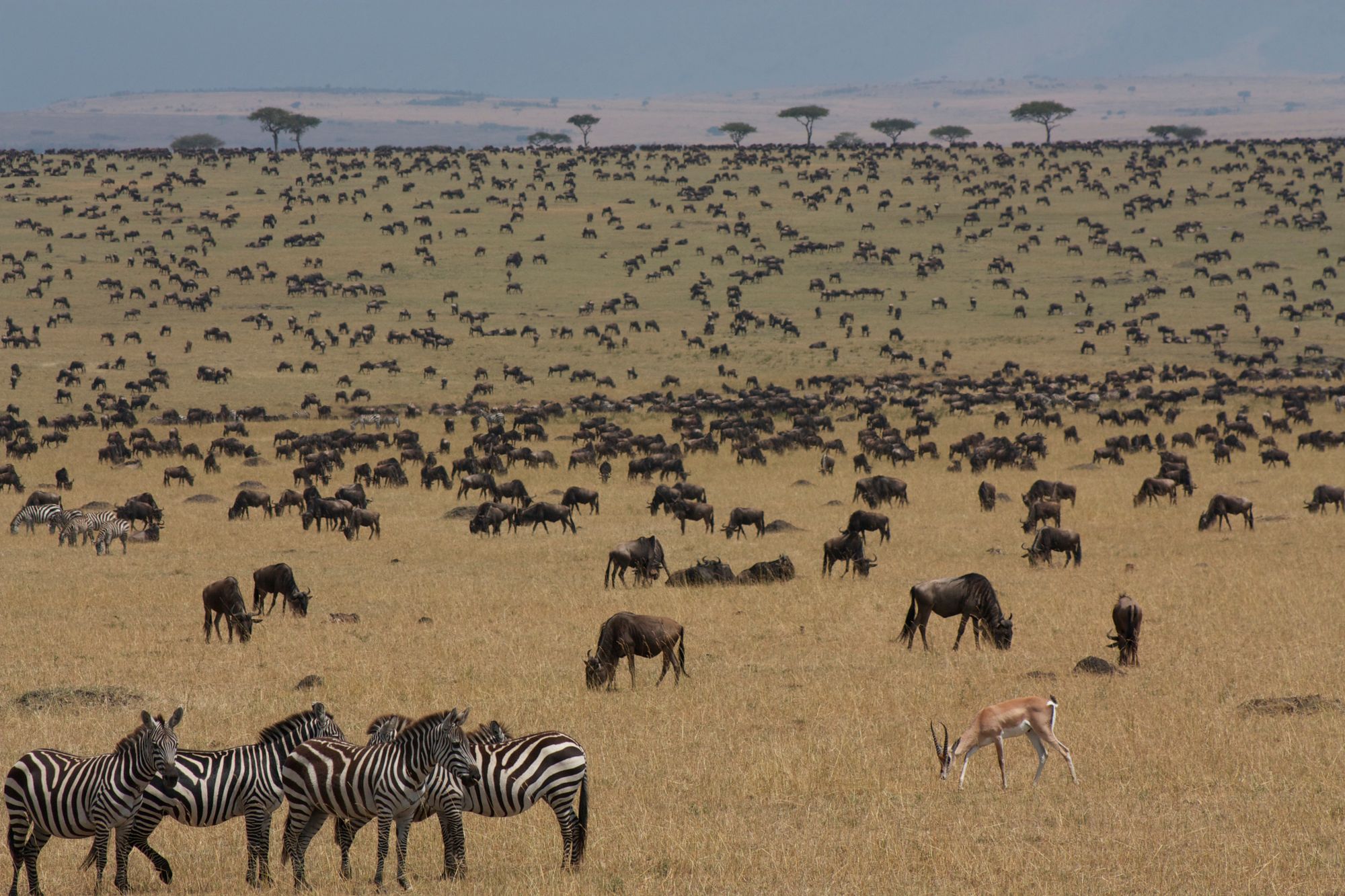
The Serengeti is vast. That openness is the magic — and sometimes the reason you drive farther between sightings. The Masai Mara is smaller and often denser with vehicles in peak weeks, but wildlife viewing can feel immediate when herds concentrate near the river.
On a Kenya vs Tanzania safari comparison, think scale vs intensity. Tanzania rewards travelers who like big skies, multiple habitats in one week, and room to reposition. Kenya rewards short hops between camps and high-intensity predator scenes in a compact reserve.
Migration timing matters more than the brand name of the park. Northern Serengeti and the Mara share the Mara River ecosystem in dry season. Southern Serengeti calving (January–March) is a Tanzania advantage for many first-timers. See best time for the Great Migration.
Ngorongoro Crater is a Tanzania signature: a natural amphitheater packed with wildlife on a crater floor, often with strong Big Five odds in a single day. Amboseli, on the Kenya side, is the postcard of elephants with Kilimanjaro behind them when clouds clear.
If crater drama and rhino chances matter most, Tanzania’s Ngorongoro Conservation Area is hard to beat. If your dream shot is tuskers with a mountain backdrop, Amboseli belongs on a Kenya plan. Many Tanzania trips still deliver Kilimanjaro views from the air without a full Amboseli block.
A classic northern Tanzania safari often needs about 7 days to feel complete: Tarangire, Ngorongoro, and enough Serengeti nights that transfers do not eat the trip. Kenya can deliver a strong 4 to 6 day safari if you focus on the Mara plus one more park.
Crowds spike in both countries in peak migration weeks. Private vehicles help either way. Tanzania’s larger public areas often give more room to leave a crowded sighting; Mara viewpoints can stack vehicles at famous bends. Avoid peak August weekends if you hate congestion, or book quieter camps and earlier starts.
People search “is Kenya or Tanzania better for safari” and then ask about price. Country averages hide the real levers: lodge vs camping, shared vs private vehicle, domestic flights, and how many park-fee nights you stack.
Tanzania’s Ngorongoro and multi-park circuits can look higher on paper because park fees and crater days add up — but you get more habitat variety. Kenya Mara fly-in camps in peak season can match or exceed Tanzania luxury pricing. Compare written inclusions. See our Tanzania safari cost guide.
Dry months (roughly June to October) are popular in both countries. Calving season favors southern Serengeti. Crossing season favors northern Serengeti and the Mara. Green season can be quieter and photogenic, with more rain risk.
If leave dates are fixed for August, either country can work for migration — Kenya for a Mara-centric week, Tanzania for Serengeti north plus crater variety. If dates are flexible, we often steer first-timers to Tanzania shoulder or calving windows for value and space. See best time for Tanzania safari.
Yes — and for migration travelers it can be brilliant. Budget time for border formalities or flights, and avoid stuffing eight parks into ten days. A focused Serengeti–Mara combination beats a rushed checklist.
Practical patterns we like: fly into Kilimanjaro or Arusha for Tanzania parks, then connect to the Mara by light aircraft, or reverse if your gateway is Nairobi. Keep at least three nights on the migration side. Share dates and airports and we will sequence the border cleanly.
We plan Tanzania as our home ground — Serengeti, Ngorongoro, Tarangire, Manyara, Kilimanjaro approaches, and Zanzibar add-ons — and we also build Kenya-linked itineraries when the season and your style call for it.
Start with a Tanzania northern circuit if you want one-country simplicity. Ask for a Kenya extension only when migration reports or Nairobi flights make it smarter. Browse Great Migration safaris or request a custom Kenya vs Tanzania plan.
Most visitors need visas or e-visas for each country when combining trips. Rules change by nationality, so confirm official guidance before you fly. Border crossings by road add time; light aircraft between Serengeti/Mara airstrips often feel cleaner for short holidays.
Yellow-fever requirements can apply depending on your route. Keep passport validity comfortable beyond travel dates. If you connect from the UAE or Europe into JRO vs NBO, say so early — the first airport often decides which country should lead the itinerary.
Families often prefer Tanzania’s week-long circuit with lodge pools, varied scenery, and private vehicles that allow snack and bathroom flexibility. Photographers chasing river crossings in peak weeks may accept Kenya Mara crowds for access. First-timers who want one trip, many habitats usually start in Tanzania.
If children are under some camp age limits, we adjust park days and rooming. Photographers should tell us lens goals and whether they need mobile camps. Honest briefings beat glossy Kenya vs Tanzania marketing claims.
Neither is universally better. Choose Tanzania for a varied northern circuit with Serengeti, Ngorongoro, and Tarangire in about a week. Choose Kenya for a compact Mara-focused trip with shorter hops. Match the country to your season, trip length, and how you feel about vehicle crowds at famous sightings.
Both can be excellent. Northern Serengeti and the Masai Mara share Mara River crossing drama roughly Julyu2013October. Southern Serengeti calving (Januaryu2013March) is a Tanzania highlight many Kenya-only trips miss. Pick the corridor that fits your dates, then give that side enough nights.
Not automatically. Lodge tier, private vs shared vehicles, domestic flights, and park-fee nights move the quote more than the country label. Tanzania crater days can look pricey but add unique habitat. Peak Mara fly-in camps can match luxury Tanzania rates. Compare written inclusions.
Yes. A focused Serengetiu2013Mara combination works well for migration travelers. Budget border or flight time and avoid packing too many parks into too few days. Share your gateway airport (JRO vs NBO) so we sequence the trip without wasting a day on logistics.
Most first-timers with about seven days are happiest on a Tanzania northern circuit: more landscape variety and an easy beach add-on later. Choose Kenya first if your flights land in Nairobi and you want a short, Mara-centric holiday. Tell us nights available and we will recommend honestly.
Plan about 7 days for a satisfying Tanzania northern circuit. Kenya can work in 4u20136 days if you focus on the Mara plus one more park. Combinations need more nights u2014 keep at least three on the migration side if river crossings are the goal.
Both get busy in peak migration weeks. The Mara is smaller, so viewpoints can stack vehicles. Serengeti space often lets you leave a crowded sighting more easily. Private vehicles, early starts, and quieter camps help in either country.
Usually yes when you visit both u2014 visa or e-visa rules depend on nationality and can change. Confirm official guidance before travel. Road borders take time; light aircraft between parks can feel cleaner on short holidays.
They deliver different drama. Ngorongoro is a crater floor packed with wildlife and strong Big Five odds. Amboseli is famous for elephants with Kilimanjaro views. Pick based on the image you care about, or ask us to prioritize one on a custom plan.
Zanzibar pairs most smoothly with Tanzania because of flight connections from Arusha or Kilimanjaro after a northern circuit. From Kenya you can still reach Zanzibar, but build extra connection time. Price safari and beach as separate blocks for clearer budgeting.
Official reference: Kenya Wildlife Service.
Keep Kenya vs Tanzania safari decisions simple: named pickup, realistic buffers, and a written quote before you travel.
A clear Kenya vs Tanzania safari plan starts with flight times, hotel names, and luggage notes in one email so the quote stays accurate.
When guests ask about Kenya vs Tanzania safari, we walk timing buffers first, then vehicle type, then the written meeting point.
Strong Kenya vs Tanzania safari bookings share passenger count early – that is what keeps the vehicle size honest.
If your Kenya vs Tanzania safari window is tight, we would rather protect the next flight or trek morning than force a rushed road day.
Treat Kenya vs Tanzania safari as an operations choice: named pickup, soft bags where possible, and a confirmation you can open offline.
Most Kenya vs Tanzania safari stress comes from vague drop-off addresses – name the lodge or hotel before you fly.
We quote Kenya vs Tanzania safari privately for your group so safari luggage and child seats are planned, not improvised at the curb.
After you approve the Kenya vs Tanzania safari quote, keep the driver number saved and the meeting note on your phone.
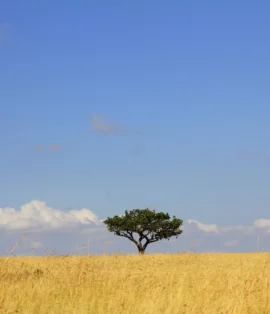
Last updated: October 2026 Landing at Jomo Kenyatta International Airport (JKIA / NBO) after a long flight is not the moment to invent Masai Mara logistics. For many Kenya safari guests, the next big move is a private road day
Last updated: October 2026 Getting from Entebbe to Bwindi Impenetrable Forest is one of the most searched Uganda logistics questions for gorilla trek guests. The choice usually comes down to a long private road day versus a domestic flight plus
Last updated: October 2026 Landing at Kigali International Airport (KGL) with a gorilla trek permit on the calendar is exciting – and a little time-sensitive. Most guests need to reach Kinigi or Musanze the afternoon or evening before the trek