

Last updated: October 2026
If you are planning a Kenya safari, one of the first practical questions is simple: how long is the drive from Nairobi to Masai Mara? Knowing the travel time helps you decide whether to go by road on arrival day, stay a night in Nairobi, or fly into the reserve instead.
In most cases, the distance is about 225–280 km toward the eastern side of the Masai Mara, and a private safari vehicle usually takes around 5.5–7 hours once you leave Nairobi. Western lodges and Mara Triangle properties can take longer, especially after rain or with lunch stops along the way.
These are useful averages, not a fixed promise. Your lodge gate, the season, and whether you start from JKIA or a city hotel all change the day. For more detail on gates and wet-season roads, see JKIA to Masai Mara by Road: Gates, Timing & Wet Season. To arrange the vehicle, visit JKIA to Masai Mara Transfer.
How far is Masai Mara from Nairobi? Many routes toward Sekenani, Talek, and nearby eastern access points cover roughly 225–280 km. There is no single distance for every lodge, because camps sit on different sides of the reserve.
How long does the drive take? With a private 4×4 and an early start, many eastern-gate journeys take about 5.5–7 hours of driving, plus short breaks. Leave later in the morning and Nairobi traffic can add time. In the wet season, muddy tracks can stretch the day further. For western and Triangle lodges, plan a longer transfer — and after a late international flight, an overnight in Nairobi is often more comfortable.
At a glance:
The Masai Mara is a large reserve with several gates and lodge areas. Reaching a camp near Sekenani or Talek is a different journey from approaching the Mara Triangle or Olololo side. Even after the main road stretch, some lodges still need park tracks that add another stretch of travel.
Where you begin also matters. A 06:30 pickup from a Nairobi hotel is not the same as leaving after a 09:40 landing at JKIA. Immigration, baggage claim, and meeting your driver all take time before the drive truly starts.
Season is the third factor. Dry-season roads and wet-season mud feel very different. If you travel in heavy rain months, choose a proper safari 4×4 and confirm which gate your lodge uses.
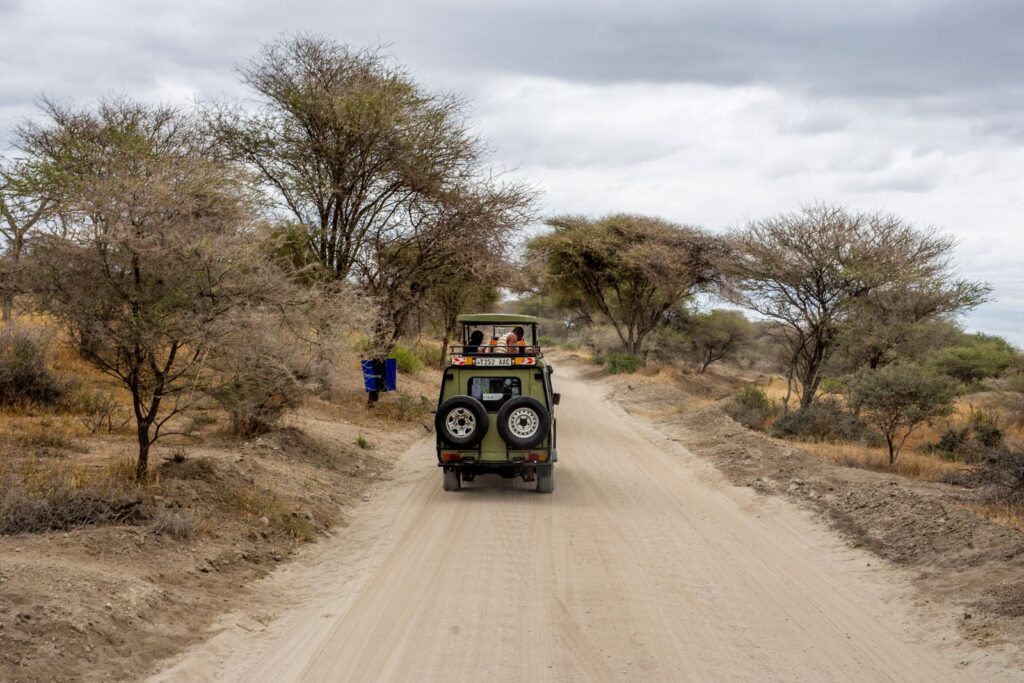
This is the route many visitors take: an early departure from Nairobi, the road toward Narok, then the final stretch to the eastern gates. In good weather with a private safari vehicle, the driving portion often falls in the 5.5–7 hour range before lodge arrival. Stretch breaks and a proper lunch make the day longer — and more pleasant — without meaning anything went wrong.
Allow more time. Some lodges are simply farther once you include the last rough kilometres. If your flight into Nairobi arrives after midday, staying overnight and leaving at dawn usually works better than arriving at the gate after dark.
If someone quotes a flat “six hours,” ask which gate the lodge uses. That detail matters more than a generic map estimate that ignores traffic and weather.
From a Nairobi hotel, the journey begins when your vehicle leaves. From JKIA, it begins after immigration, luggage, and the airport meet. A private Nairobi JKIA safari transfer should include your flight number and a realistic departure window — not only “pickup on landing.”
Late evening arrivals are rarely ideal for a same-day Mara drive. Darkness, tiredness after a long flight, and gate timing make an overnight in Nairobi the kinder option for most travelers.
If you are deciding between a Nairobi hotel night and continuing to the Mara the same day, also read how many hours you need on a Nairobi layover.
Traveling with children or mixed ages? A non-stop push can look efficient and feel exhausting. Plan two short stops in advance so the day stays comfortable. You may add twenty or thirty minutes, and arrive in better shape for your first evening at camp.
Stops near Narok for fuel, water, or a simple meal are normal. Skipping food and drinks to “save time” often means arriving tired and uncomfortable — a poor start to safari.
A light aircraft from Wilson Airport to a Masai Mara airstrip cuts the long road hours, then usually finishes with a shorter transfer to your lodge. The trade-off is the connection: time at JKIA, Nairobi traffic to Wilson, luggage weight limits, and check-in deadlines. Soft bags are easier; hard suitcases are often a problem on small aircraft.
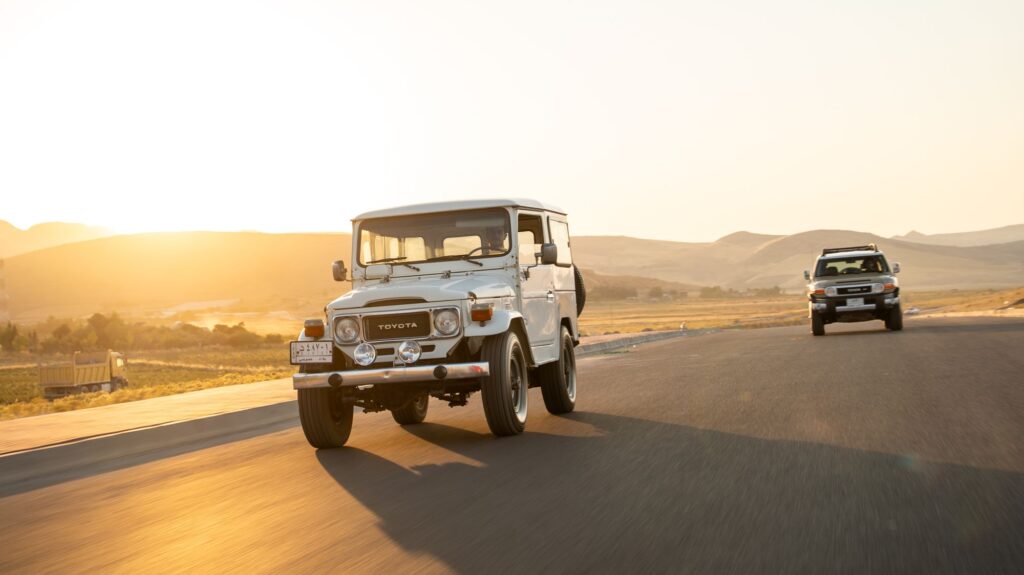
Choose the road if you prefer one vehicle for the day, have heavier luggage, want a flexible pace, or land too late for a comfortable Wilson connection. Choose air if your lodge is close to an airstrip and you have enough time between flights — more in JKIA vs Wilson for a Mara week.
Early hotel start, eastern lodge: leave Nairobi around 06:00–06:30, pause near Narok late morning, reach the gate by mid-afternoon, and settle in before an evening game drive when conditions allow. This is a common fair-weather pattern.
JKIA morning landing: land around 07:30–08:30, clear immigration and collect bags, then leave mid-morning. Eastern lodges can still work the same day. Try not to mix a rushed Wilson flight into the same tight morning — pick road or air and stick to one clear plan.
Afternoon long-haul arrival: overnight in Nairobi, then leave at dawn. A hotel night is usually more enjoyable than a late, tiring drive to the reserve.
Rain, slow baggage, or a western lodge can change any of these outlines. Confirm your lodge gate and vehicle type when you book.
Online map times for a dry day can look optimistic in wet months. Check the season and your lodge gate when you compare quotes.
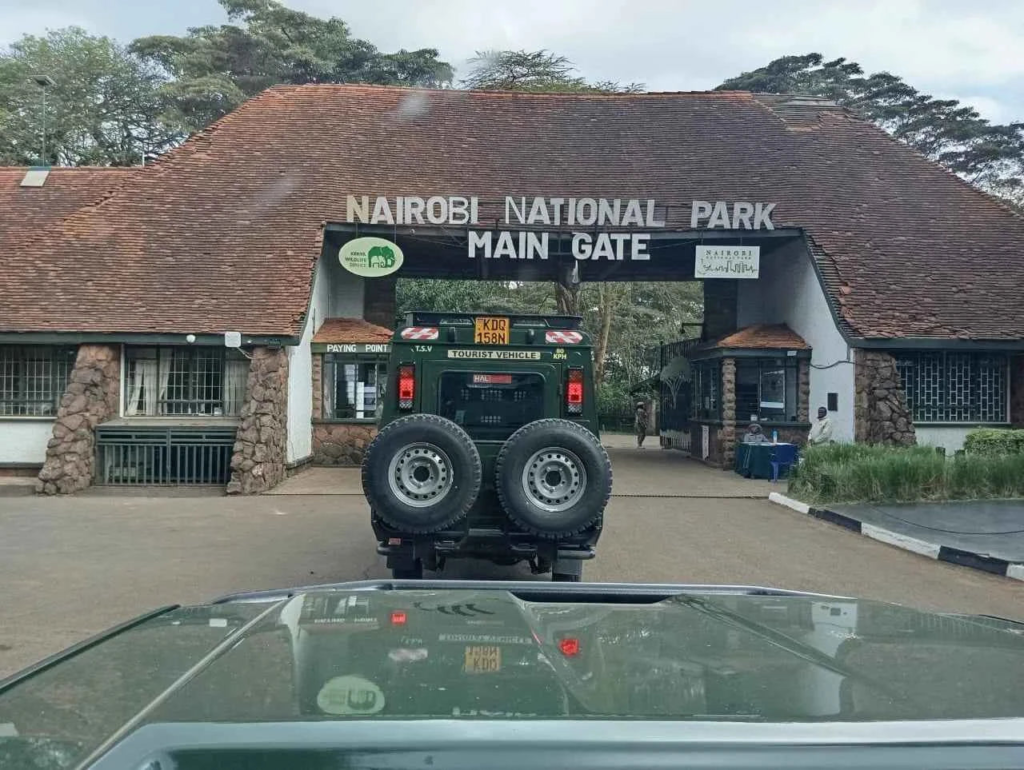
If you are considering self-drive later in the trip, remember that a with-driver safari 4×4 handles navigation and roadside issues more easily than a first self-drive on wet Mara approaches. Compare options on Kenya safari 4×4 hire.
The return journey needs the same care. Leaving the Mara at dawn for an evening flight from JKIA can work well; leaving after a long morning game drive for a tight international check-in often does not. Count back from your flight time when you plan the final day.
When you request a quote, share four details: where you start (JKIA or hotel), your lodge name or gate, the travel month, and whether you want a packed lunch or a sit-down stop. With that information, travel time becomes much clearer.
If you land in the afternoon and hope to reach the Mara the same day, walk through the full timeline: immigration, bags, leaving Nairobi, the Narok stretch, final tracks, and the gate. Many travelers then prefer a Nairobi overnight — and enjoy the reserve more the next morning.
Already holding lodge confirmation? Check whether it names a gate or airstrip. That line tells you whether your drive is a standard eastern transfer or a longer western approach.
For many eastern approaches, plan roughly 225–280 km, plus lodge tracks at the end. It is not one fixed distance for every property.
Often about 5.5–7 hours toward common eastern gates in fair conditions with a private safari vehicle. Allow longer for western lodges, rain, or a late departure from Nairobi.
Yes, when you land early and travel in daylight. After late arrivals, overnighting in Nairobi is usually better. See the gates and wet-season guide for more on when same-day travel works.
With a booked private safari vehicle, a daytime schedule, and a clear meeting point, this is a normal Kenya safari transfer. Avoid vague late-night pickups and vehicles that are not suited to safari roads.
How long is the drive from Nairobi to Masai Mara? Plan about 5.5–7 hours toward many eastern gates across roughly 225–280 km, then adjust for your lodge location, the season, and whether you start at JKIA or a hotel.
Confirm your lodge gate and departure time when you book. For deeper route and weather detail, use the road gates guide.
To arrange your transfer, start with JKIA to Masai Mara Transfer and share your flight arrival time and lodge name. We can help you choose same-day road travel, a Nairobi overnight, or a Wilson flight that fits your week.

Last updated: October 2026 Choosing an East Africa self-drive route is less about a perfect map and more about matching parks to your driving comfort. Tanzania, Kenya, and Uganda each reward a 4×4 — yet the roads, border days, and

Last updated: October 2026 A self-drive Kenya safari lets you set the pace from Nairobi to the Masai Mara, Amboseli, or Lake Nakuru — with the open sky above the roof and no fixed game-drive clock. It also asks more
Last updated: October 2026 A self-drive safari Tanzania trip sounds free and open: you hold the keys, you pick the pace, and you stop when the light is right. It can be a wonderful way to see the Northern Circuit