
Last updated: October 2026
The booking email lands with two airports in one week: Jomo Kenyatta International (JKIA / NBO) on the inbound long-haul, then Wilson Airport (WIL) for a light-aircraft hop toward the Masai Mara. Guests often ask the same desk question: do we really need Wilson, or can we stay with a road day from JKIA?
This guide compares JKIA vs Wilson Airport for a Masai Mara safari week the way we brief arrivals on the Nairobi desk — what each field is for, how the connection usually works, when a private road transfer is the smarter call, and which bags and buffers keep the first game drive intact.
For the booking pages behind this guide, see JKIA to Masai Mara Transfer, Nairobi JKIA Safari Transfer, and our deeper road-day notes in JKIA to Masai Mara by Road: Gates, Timing & Wet Season.
JKIA is Nairobi’s main international gateway. That is where most Europe, Middle East, Asia, and Americas flights arrive. Wilson is Nairobi’s domestic / safari airfield — the usual departure point for scheduled and charter hops to Mara airstrips near your lodge.
If your lodge sits near a bush airstrip and your inbound lands JKIA with enough connection time, Wilson is often the cleanest way to protect safari days. If bags are heavy, the group is large, the arrival is late, or you want a scenic road approach with a driver who stays on your Kenya plan, the JKIA to Masai Mara road transfer can beat a rushed air connection.
At a glance:
JKIA is the front door. You clear Kenya immigration, collect checked bags, and meet your driver or hotel transfer at the arrivals hall — not at Wilson. For many weeks the only JKIA job is that first meet, then either a city overnight or a same-day move toward the Mara by road.
Treat JKIA like a long-haul airport, not a bush strip. Queues move with flight banks. Bags can lag after a full wide-body. If someone promises a same-day Wilson departure ninety minutes after touchdown, ask what happens when immigration is slow or one bag is late — that is usually where the first Mara afternoon disappears.
A private Nairobi JKIA safari transfer keeps the first hour simple: name board, bags in the vehicle, straight to hotel, Wilson check-in, or the Narok corridor depending on the written plan.
Wilson sits on the south side of Nairobi and handles most of Kenya’s safari air traffic. From here, scheduled and charter flights fan out to Masai Mara airstrips such as Keekorok, Ol Kiombo, Serena, Musiara, and others tied to lodge geography. You do not clear international immigration at Wilson on a normal inbound safari week — you already did that at JKIA.
Expect a different rhythm than JKIA: smaller terminals, light aircraft, weight briefings, and soft duffels that fit the hold. Hard shell suitcases are the classic “we can try” conversation that still ends with a re-pack on the apron. Soft bags win.
Wilson is not a substitute for JKIA on an international ticket. Airlines and hotels sometimes list “Nairobi” loosely — always confirm whether your long-haul ticket shows NBO/JKIA and whether the Mara flight ticket shows WIL.
The standard pattern looks like this: land JKIA → immigration and bags → private transfer across Nairobi → Wilson check-in → short hop to a Mara airstrip → lodge vehicle for the last stretch. Distance between the two airports is not the issue; Nairobi traffic and check-in cutoffs are.
Plan the road link as its own booked transfer with a flight number on the voucher. Do not assume a random taxi knows which Wilson terminal desk you need, or that “twenty minutes” means twenty minutes at 07:30 on a weekday.
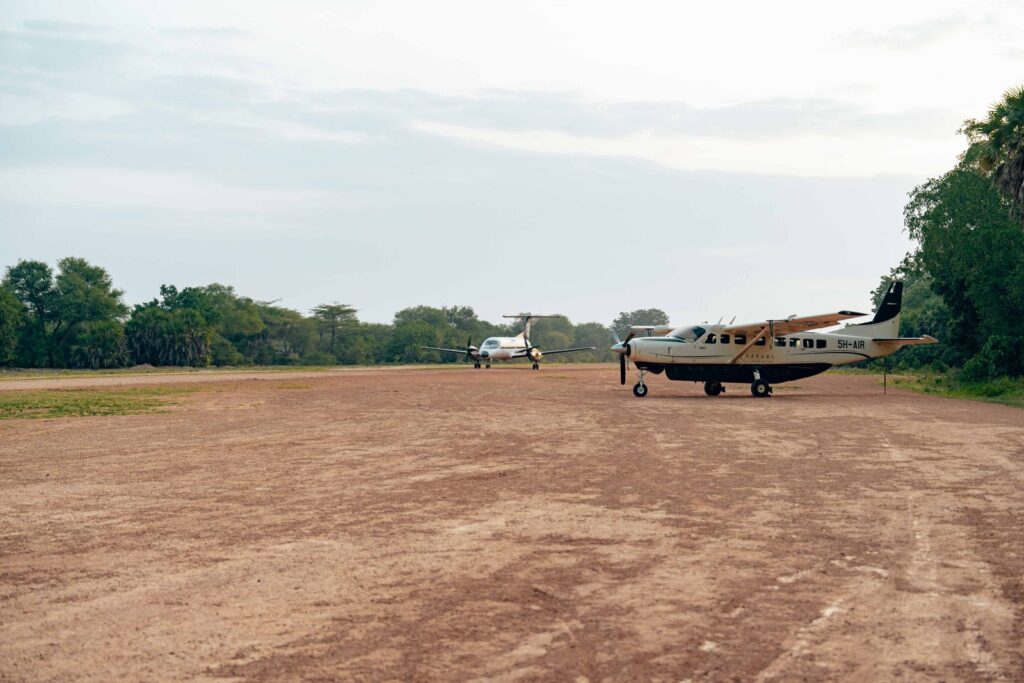
Connection buffers matter more than optimism. After a long-haul, many desks prefer a Nairobi overnight before a morning Wilson departure — especially if the inbound arrives after lunch. Same-day air can work on early landings with light luggage and a written schedule, but it is a plan you stress-test, not a default.
If you are comparing airports across East Africa as well, keep our East Africa airport cheat sheet open beside this page — JKIA and Wilson play different roles than JRO or EBB.
Road wins when the air connection is the fragile part of the week. Late inbound, tight Wilson cutoff, heavy hard luggage, travelling with young children who need a flexible pace, or a lodge that is a long final drive from the nearest airstrip anyway — those are road-day shapes.
A private JKIA–Mara road transfer also keeps one driver team on your story: same vehicle language for Nairobi traffic, Narok stops, and gate choice. Wet-season mud and eastern vs western gate approaches change the clock; that is why we wrote the full gates and wet-season road guide separately.
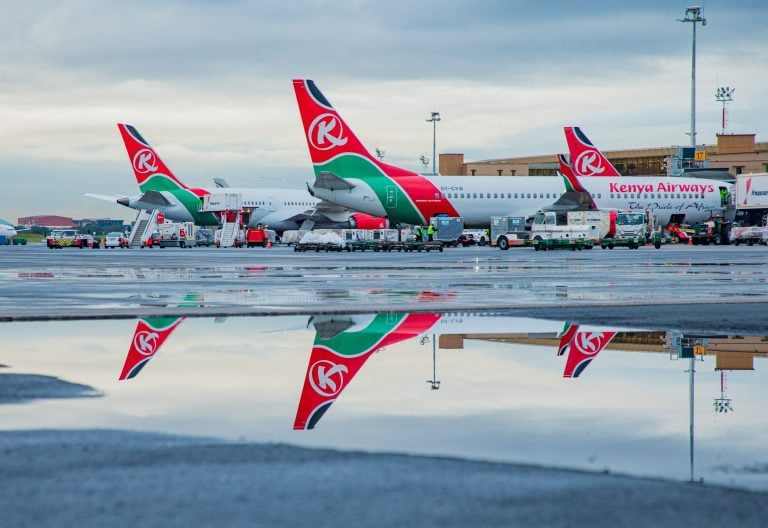
Rough planning numbers guests ask for: many eastern Mara approaches run on the order of five and a half to seven hours once you are clear of Nairobi, longer toward western or Triangle sides and longer again after heavy rain. Those are planning bands, not guarantees — your voucher should name the gate and the vehicle type.
If your week mixes Kenya parks with a self-drive or with-driver block later, ask early whether the same Kenya safari 4×4 hire team can cover both the airport meet and the park days. Continuity is under-sold and over-valued once you are on the ground.
Air safari rules are physical, not decorative. Soft duffels, modest weight per person, and camera gear that fits the airline’s published limit keep check-in short. If you land JKIA with a rigid suitcase you love, plan a re-pack at the hotel before Wilson — or choose the road.
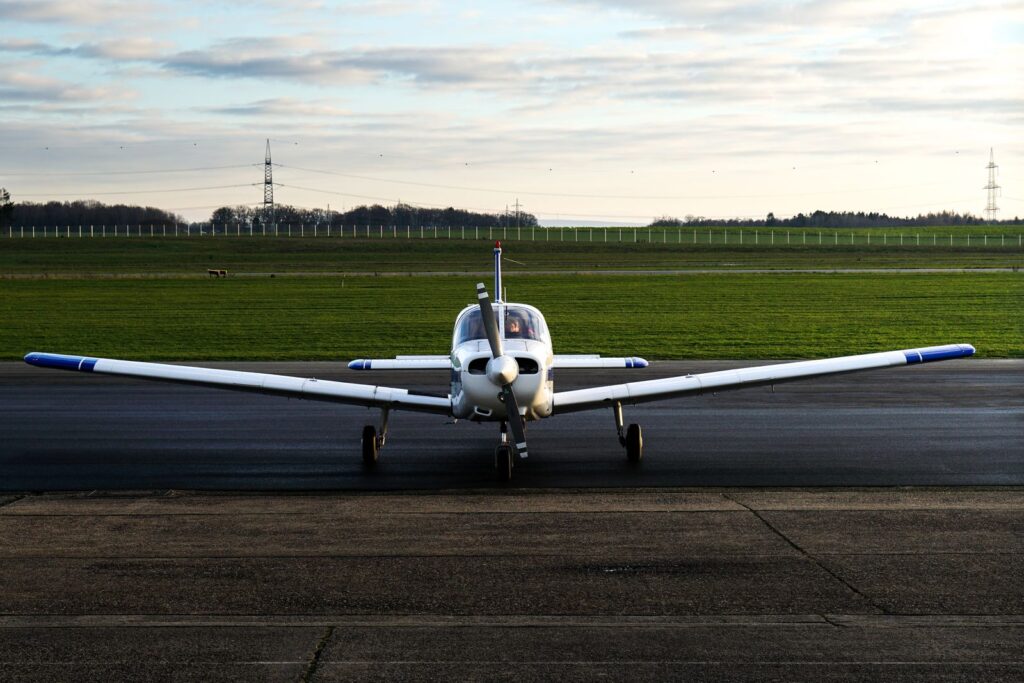
One polite desk line we reuse: the aircraft does not care how photogenic the hard case was in the shop. Soft bags look less glamorous in the hallway photo and fit better when the hold is a tube.
Medicines, passports, and one change of clothes in the cabin bag still matter. Mara weather can turn a delayed bag into a cold evening if everything warm sat in the hold you are not boarding with.
Most messy Mara weeks we untangle start with one fuzzy line in a confirmation: “Nairobi airport transfer” with no JKIA vs Wilson detail. Guests then stand at JKIA arrivals holding a Wilson boarding time that assumed a city that never has traffic.
What works: write both airport codes on the voucher (NBO/JKIA and WIL), put the Wilson check-in time in local clock, name the Mara airstrip, and say whether the first night is Nairobi or lodge. If the plan is road, name the gate and the vehicle — pop-top safari 4×4 vs city sedan is not a trivia question after rain.
When someone is unsure, we map the inbound landing time against the first Mara activity they care about. Protecting that activity usually decides the airport question faster than a generic “flights are better” speech.
Weather and season tip the scales too. After heavy rain, some Mara approaches need a true safari 4×4 and more clock than a dry-season brochure suggests. Flying into a well-placed airstrip can skip the worst mud; driving can still make sense if your lodge access road is the hard part either way. Ask for the gate name and the last rainy-week report from the same corridor — not a generic “Kenya is fine” line.
Ticket wording deserves a second look. “Nairobi to Masai Mara flight” might still mean Wilson departure after a JKIA arrival. “Private charter” might mean a different check-in desk and luggage rule than a scheduled hop. Screenshot the airline or charter confirmation that shows WIL, the airstrip code, and the baggage allowance, then match your soft bags to that number before you leave home.
We also see return-leg mistakes: guests book Wilson out of the Mara on the final morning, then leave only a thin cushion before an evening long-haul from JKIA. Build the reverse buffer with the same honesty as the inbound — bush flight delay, Nairobi traffic, and international check-in all stack. If the long-haul is tight, overnight Nairobi on the way out is not a luxury; it is insurance.
For a normal Masai Mara safari week, no — your long-haul lands at JKIA. Wilson is for domestic and safari air links after you are already in Kenya.
Enough time for immigration, bags, Nairobi traffic, and Wilson check-in — not the optimistic car time alone. Early arrivals can sometimes connect same day; many weeks are cleaner with a Nairobi night. Use the layover hour guide as a planning companion.
With a booked private safari vehicle and a written daytime plan, yes — it is a standard Kenya safari approach. Night mountain runs and vague meet points are what we avoid. Details sit in the road gates guide.
If you fly Mara out of Wilson, you need the JKIA meet plus the city link to Wilson (hotel overnight or direct). If you go by road to the Mara, you usually need only the JKIA pickup into that road day — no Wilson leg.
If you already hold lodge vouchers, send us the airstrip name printed on them. That single line decides whether Wilson is a short hop to the door or a hop plus another dusty transfer — and whether JKIA road might actually deliver you closer, sooner, with fewer moving parts.
JKIA brings you into Kenya. Wilson launches many Mara air hops. Neither replaces the other — they solve different hours of the same week. If you are weighing road hours instead of airports, see how long the drive from Nairobi to Masai Mara takes.
Choose Wilson when airstrip logistics and soft bags line up with a real Nairobi buffer. Choose the JKIA road day when timing, luggage, or group rhythm make the air connection the risky link. Put airport codes, check-in times, and gate or airstrip names on the voucher before you fly.
Ready to lock the first Kenya move? Start with JKIA to Masai Mara Transfer or Nairobi JKIA Safari Transfer, and tell us your inbound flight time plus lodge airstrip so we can recommend air or road without guesswork.

Last updated: October 2026 Choosing an East Africa self-drive route is less about a perfect map and more about matching parks to your driving comfort. Tanzania, Kenya, and Uganda each reward a 4×4 — yet the roads, border days, and

Last updated: October 2026 A self-drive Kenya safari lets you set the pace from Nairobi to the Masai Mara, Amboseli, or Lake Nakuru — with the open sky above the roof and no fixed game-drive clock. It also asks more
Last updated: October 2026 A self-drive safari Tanzania trip sounds free and open: you hold the keys, you pick the pace, and you stop when the light is right. It can be a wonderful way to see the Northern Circuit